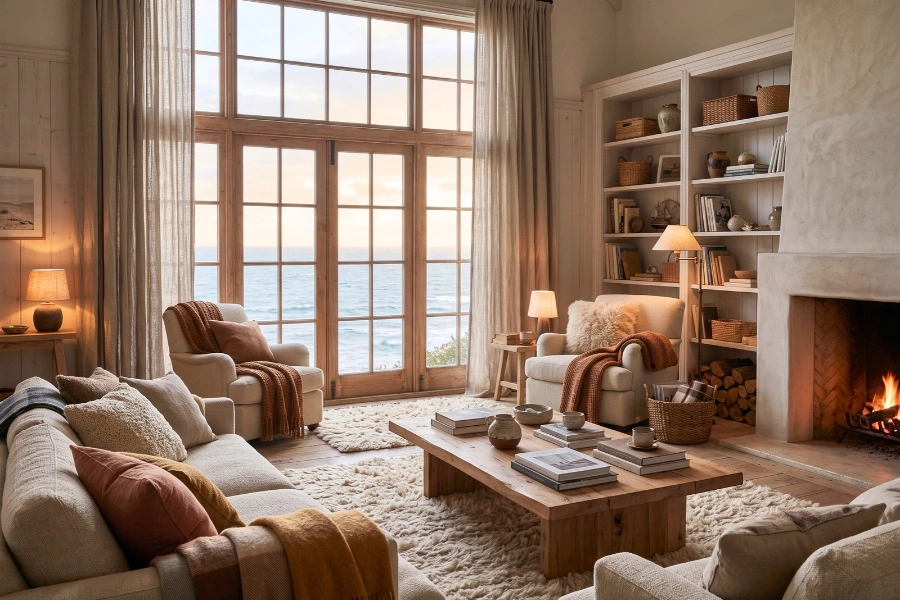
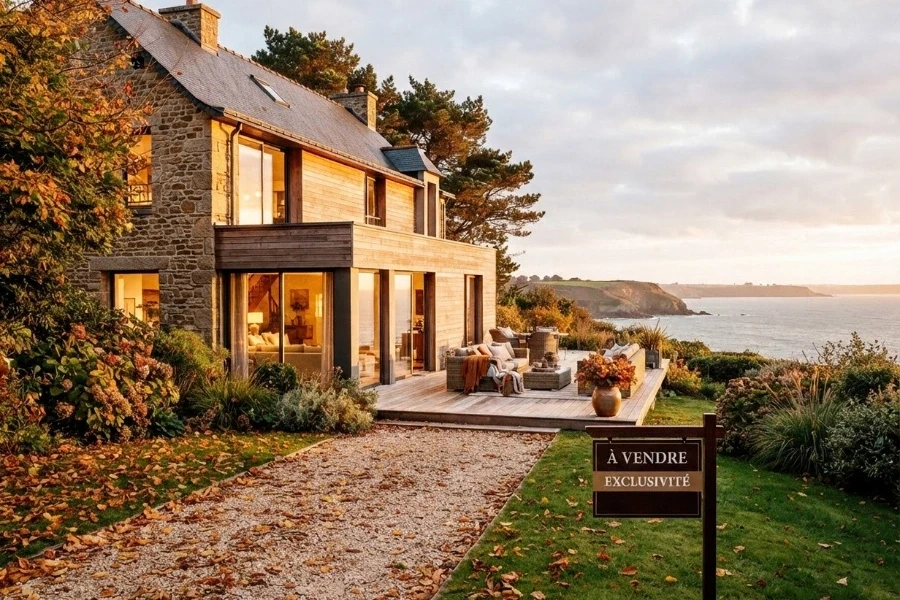
Coastal decor: 6 ideas to make your home cosy for autumn
Colours, textiles, lighting and natural materials: discover six ways to update your coastal ...


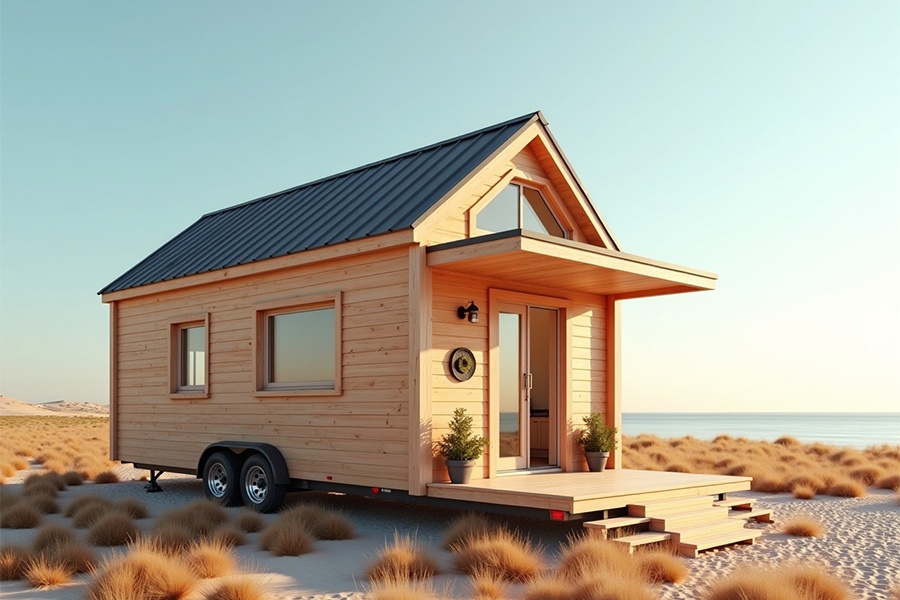
Generally chosen for ecological or economic reasons, the tiny house made its debut on the construction market in the late 1990s in the United States, as an alternative to buying a traditional home.
The mini or tiny house can also serve as an outbuilding. It's often the ideal solution for hosting family during summer visits, renting out as a vacation home, or simply enjoying some peace and quiet in the privacy of your own garden.
Born in 1999 through the efforts of American Jay Shafer, founder of Tumbleweed Tiny House Company and the Small House Society, the concept quickly gained popularity in the United States.
Well ahead of the rest of the world, the United States held 54.3% of the global tiny house market in 2024. This enthusiasm results from rising real estate prices and growing interest in a minimalist lifestyle. In response to the 2008 crisis and later the pandemic, the tiny house emerged as an affordable and viable housing option.
Sometimes considered an extension of the main house, the tiny house can be installed at the back of the garden to accommodate family, friends, or serve as a home office. Some cities, like Austin, Texas, have even amended their regulations to make it easier for homeowners to build tiny homes on their property.
Ranging in size from 10 to 40 sqm and priced between $10,000 and $100,000, the eco-friendly and independent tiny house can be mounted on wheels or stilts, available as a kit or fully equipped. Some builders offer autonomous homes with solar panels, modern design, and full amenities.
Today, many tiny house villages exist in Texas, Florida, California, Colorado, and beyond, built either to support the homeless or by communities committed to this lifestyle.
Attracted by the concept, several European architects have designed increasingly compact models, such as Renzo Piano with Diogene, offering just 7.5 m² of living space. Similarly, Swedish firm Tengbom developed the 10 Smart Sqm, with 22 units built in 2014 to house students on the Lund University campus.
Strongly inspired by the minimalist cabin inhabited by Henry David Thoreau in the mid-19th century at Walden Pond in Massachusetts, German designer Nils Holger Moormann created an original and functional shelter. With Walden, he invites you into a 1.10-meter wide and 6.5-meter long wooden dwelling, cleverly arranged.
In France, the tiny house concept emerged when Yvan Saint-Jours, founder of the magazine La Maison Écologique, decided to build a home without excess—a living space to return to essentials and embrace a simpler life.
Today, many companies offer to build independent studios, garden cabins, and home extensions in just a few days. Handy individuals can also purchase plans to hand-build their dream tiny house. Whether for travel, hosting, or self-fulfillment, there's something for everyone.