Second home: how to prepare your property for winter?
How should you prepare your holiday home for winter? Frost, humidity, heating, roofing and ...


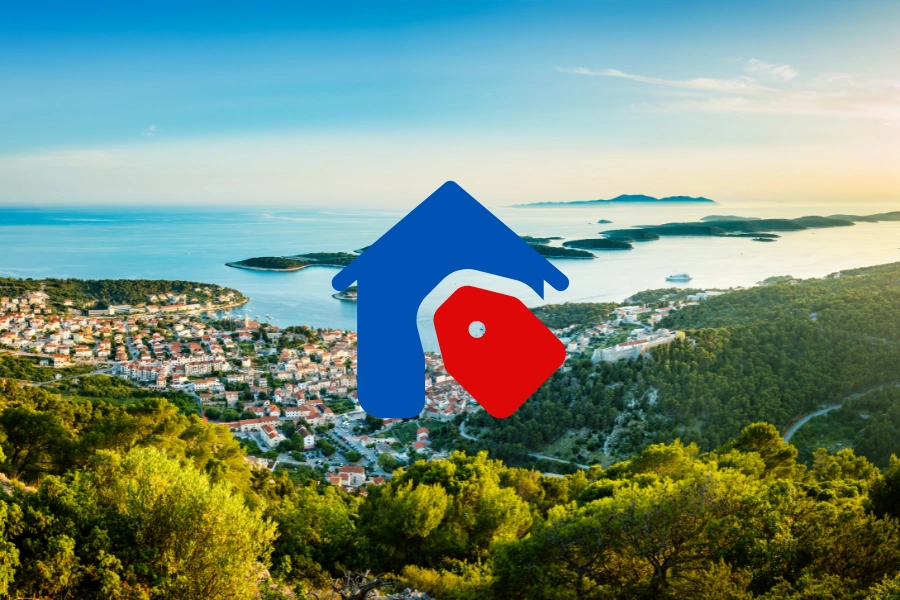
With its exceptional coastline, a fast-evolving property market and a buoyant tourism sector, Croatia attracts more and more foreign buyers every year. From stone houses in Istria to contemporary villas facing the Adriatic and apartments intended for holiday rentals, the country offers a broad range of properties that appeal to both retirees and investors.
Before choosing the most attractive region for your property purchase and finalising your buying project, it is essential to have a clear understanding of the legal framework, administrative procedures and associated fees. This guide brings together the key information to help you understand each stage, from acquisition conditions to taxation.
Driven by strong tourism demand and Croatia’s entry into the Eurozone in 2023, the Croatian real estate market has been steadily growing, with prices increasing by around 10% on average between 2024 and 2025. For many buyers, the Adriatic coast remains the most sought-after area, combining quality of life, popular beaches and reliable tourist services.
For investors, the appeal also lies in the rental potential of certain regions. In high season, both Istria and Dalmatia show extremely high occupancy rates. Gross yields vary between 5% and 9% depending on the property’s location and quality, and can reach up to 12% for premium villas.
Citizens of the European Union can freely purchase property in Croatia without particular restrictions, except for certain agricultural or forest lands subject to regulation. Buying a house or an apartment does not require residency or any prior connection with the country.
For non-EU buyers, purchasing remains possible but depends on the existence of a reciprocity agreement between their country of origin and Croatia. An authorisation from the Ministry of Justice is then required, a procedure that usually takes between 30 and 90 days. Most requests are approved, but this step extends the acquisition timeline. Buying agricultural or forest land is, however, highly restricted.
Foreign buyers may also create a Croatian company (d.o.o.) to purchase any type of property, including agricultural land.
Buying agricultural and forest land is restricted for non-Croatian citizens. To acquire this type of property, it is necessary to create a company registered in Croatia. Properties located in protected areas (environmental, military or strategic zones) are subject to restrictions or complete prohibitions for foreign buyers, regardless of the acquisition method.
Renting out your property during the periods when you are not using it is an excellent way to improve profitability and offset management costs.
Croatia allows short-term holiday rentals, but the activity must be declared and the property registered with the Ministry of Tourism. A tourist licence, the Kategorizacija, is mandatory for offering short-term rentals. It is issued after inspection and classification of the property (from 1 to 5 stars).
Each tenant must be registered with local authorities, and the tourist tax is payable by the owner or the rental agency. Regulations also limit the number of rental days per year (between 60 and 120 days).
Seasonal rental income is taxed under a flat-rate scheme at a rate of 10% from 1 January 2025. Bilateral agreements and tax conventions between the buyer’s home country and Croatia help avoid double taxation and provide adapted tax relief.
Croatian banks grant mortgages to foreign buyers, although conditions are more demanding than for residents. Applicants must present a solid financial profile (income, guarantees…). Interest rates generally range from 3% to 5%, and the required down payment often varies between 30% and 40% of the total amount.
An alternative is to finance the purchase through a bank in your home country, notably through a mortgage or a secured personal loan.
Buyers may also finance their purchase using personal funds, particularly for secondary residences or rental investments.
The Croatian government also offers subsidies for constructions or renovations that meet certain ecological criteria, such as the “Very Good” environmental label. These subsidies can reach up to 20% of the investment cost. Applications must be submitted to the Ministry of Construction or the Croatian Development Bank (HBOR).
It is not necessary to be a Croatian resident to buy property in the country. Likewise, purchasing a property does not automatically grant residency rights.
Buyers may therefore acquire a house or apartment while maintaining their tax residence abroad. However, those who wish to live in Croatia year-round must apply for a temporary or permanent residence permit, granted under specific conditions (employment, financial resources, family circumstances…).
Owners may apply for temporary residence based on property ownership, renewable annually. Permanent residence becomes accessible after five years of continuous residency.
From a tax perspective, being a Croatian resident involves declaring worldwide income. Buyers who wish to retain a different tax residence must pay close attention to each country’s obligations.
With a fast-evolving market and an investment-friendly environment, Croatia offers promising opportunities for well-informed foreign buyers.
To further your search and discover available properties, our selection of listings will help you identify the best opportunities for your project:
These articles may also interest you:
Buy a House in Croatia: Top 5 most popular regions
Houses in Croatia: how to recognize traditional Croatian architecture?
Holidays in Croatia: Discover the most beautiful islands of the Adriatic