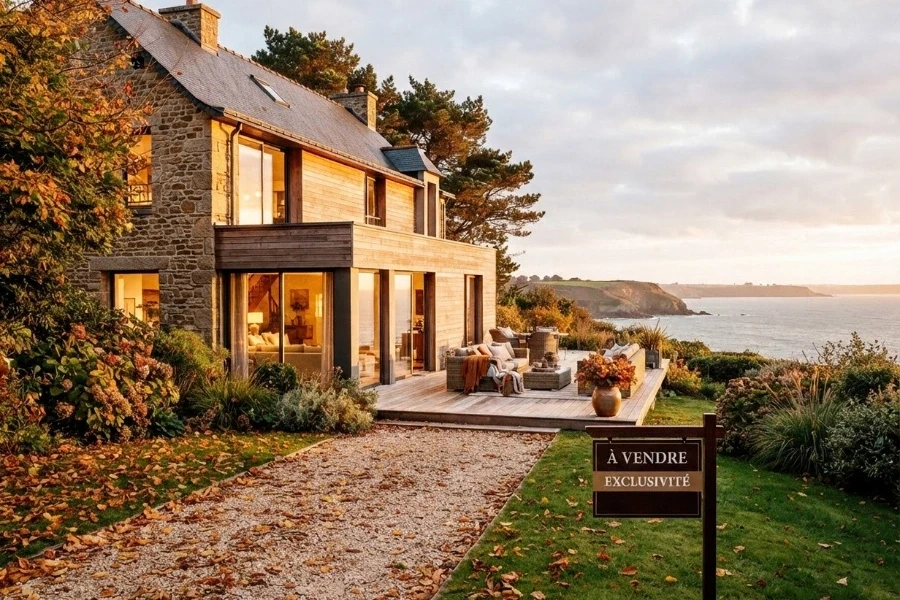
Coastal decor: 6 ideas to make your home cosy for autumn
Colours, textiles, lighting and natural materials: discover six ways to update your coastal ...


You’ve been searching for a house or apartment on the French coast for a while, but haven’t found one that fits both your taste and your budget? Have you considered buying an older property in need of modernization?
Buying a home to renovate can be more cost-effective than building or buying a new one. With lower purchase costs and numerous ways to save, this type of project has real advantages—provided you’re aware of both the benefits and the pitfalls.
1. Why buy a home to renovate on the French coast?
2. How to save money on renovation?
3. How to choose the right home to renovate?
4. The key steps for a smart renovation
5. Smart renovation habits to avoid costly mistakes
In a tight real estate market—especially in sought-after coastal areas where building plots are scarce—buying an older house in need of renovation can give you access to properties that would otherwise be out of reach.
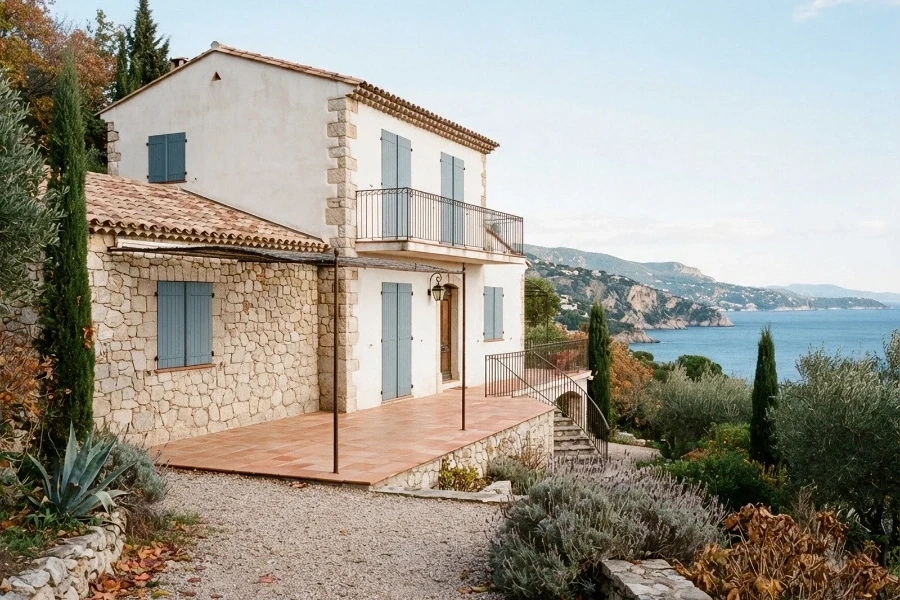
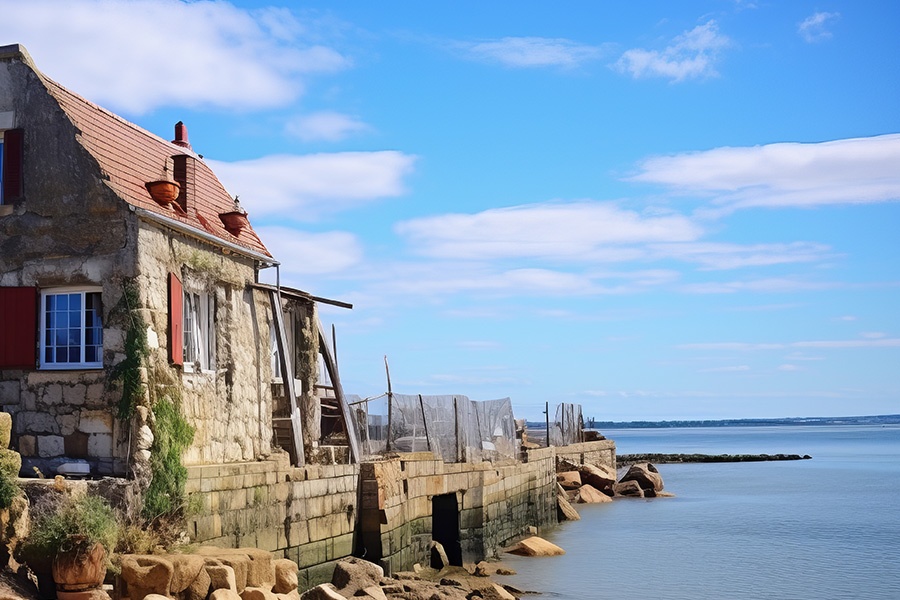
Renovation properties near the sea are often less visible but do exist. A former fisherman's house, a 1960s villa, or a village home can all become hidden gems with the right upgrades. This way, you can get a characterful home at a lower price.
In fact, older properties are typically 20% to 35% cheaper than new builds. Expect to pay around €250 to €750 per square meter for light renovation, around €1,500/m² for structural work, and over €2,000/m² for full renovation with high-end materials.
Buying on the coast is an excellent investment. Coastal areas remain highly attractive—whether for living or renting. With proper planning, your renovation project can be both enjoyable and profitable, with solid resale value and strong rental potential.
Houses and apartments to renovate in France
The cost of renovation depends on the type of work involved. For a 100 m² home, a simple refresh might cost between €15,000 and €30,000, while a full overhaul can exceed €100,000.
Refurbishing a home—especially improving energy efficiency—can qualify you for several government incentives.
MaPrimeRénov’, extended for 2025, is a financial aid for energy renovations (insulation, heating, ventilation, etc.) covering up to 45% of eligible costs, with a cap of €25,000.
The interest-free eco-loan (éco-PTZ) can provide up to €50,000 for energy-efficient upgrades, and it can be combined with MaPrimeRénov’.
Energy renovation work qualifies for reduced VAT at 5.5% (e.g., replacing a boiler, windows, insulation). Other works benefit from a 10% VAT (e.g., flooring, kitchen installation), while new builds or major extensions are taxed at 20%.
You may also receive an Energy Savings Certificate (CEE) bonus, granted by energy providers and combinable with MaPrimeRénov’ and reduced VAT.
There’s no notary fee discount for fixer-uppers. However, since these fees are based on the purchase price, they’re lower than those for a fully renovated home with a higher market value.
You're going from one viewing to the next and you're not sure you're making the right choice. Here are a few points to keep in mind to help you choose the right home.
Make a clear list of selection criteria:
Ideally, bring a building professional along to avoid unpleasant surprises.
Before buying, estimate the total cost of your project. Get detailed quotes from professionals and a clear assessment of the required work.
Prioritize the most essential upgrades—those eligible for financial aid—such as roof renovation, insulation, heating systems, electrical and plumbing overhauls. Budget for comfort and finishing works separately, as they can be done later.
Be aware that timelines and costs may be affected by weather, material availability, or unforeseen issues uncovered during the works. Plan for a 10% to 15% buffer in your budget to cover such surprises.
Most importantly, work with qualified professionals who carry valid 10-year guarantees and are RGE-certified to access government grants.
Don’t rely solely on a gut feeling—always have a professional inspect the technical aspects of the property.
No matter the scope of the work, if you’re hiring renovation or construction professionals, compare multiple detailed quotes before making any decisions.
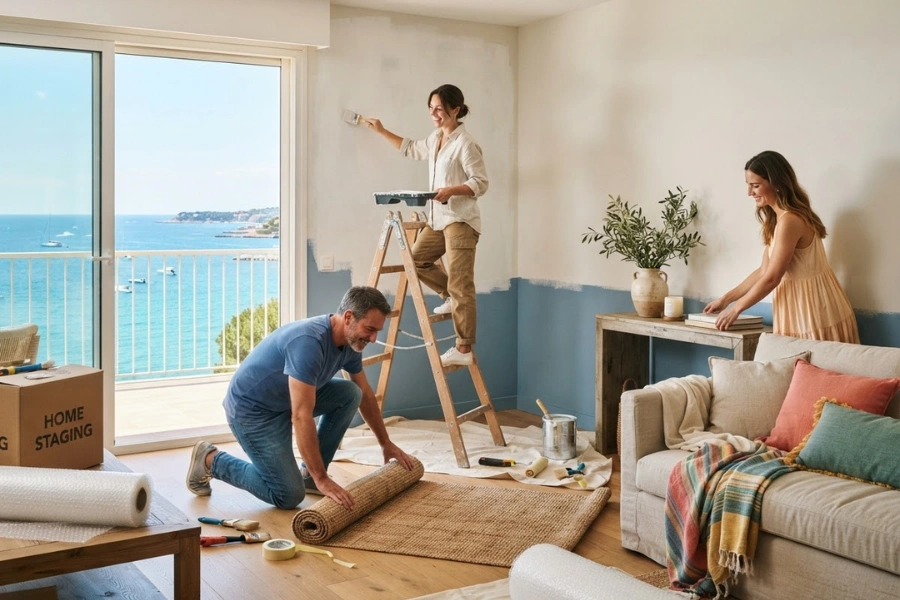
If you plan to carry out part of the renovation yourself, evaluate the time commitment and costs of materials and tools. Also, check your home insurance coverage: to be insured in case of damage, structural work and all jobs involving electricity, plumbing, or gas must be handled by certified professionals.
Don’t forget the planning permissions: façade changes, extensions, or building a pool often require prior declaration or a building permit.
Finally, closely monitor your renovation project. If you can’t be on-site yourself, hire a project manager or architect to oversee the work.
Buying a home to renovate in France isn’t a risky gamble if you have the right reflexes. It’s a great way to create a home that reflects your vision—your dream home. This type of project is becoming increasingly popular among buyers, as long as they are well supported throughout the process.
Find a home or apartment to renovate in France:
You may also be interested in these articles:
Buy-to-let in France and making a successful investment
Health, real estate... The advantages of living by the sea
Home staging: does it really help sell your home faster?
Buying real estate in France: key steps in 2025
Buying a house in France: the complete guide for foreign buyers