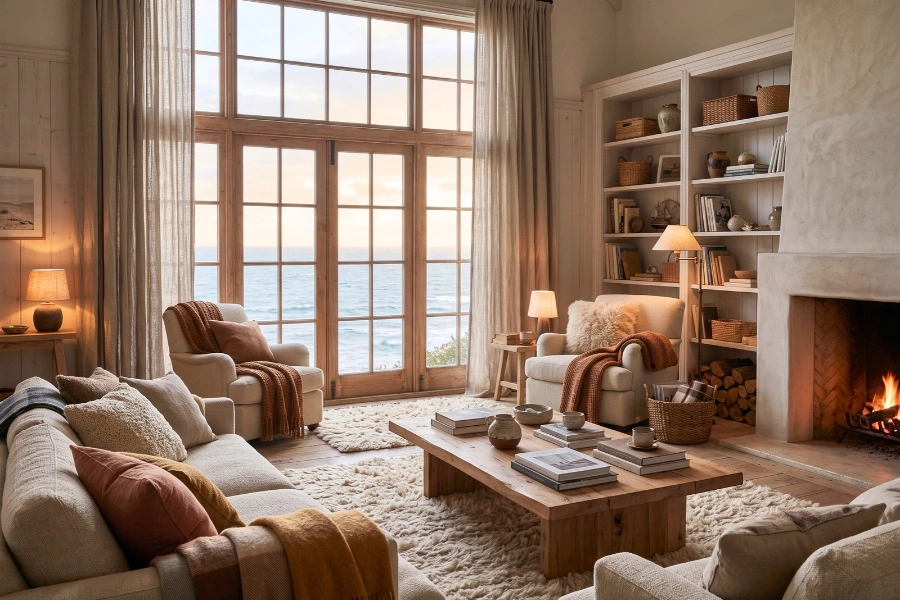
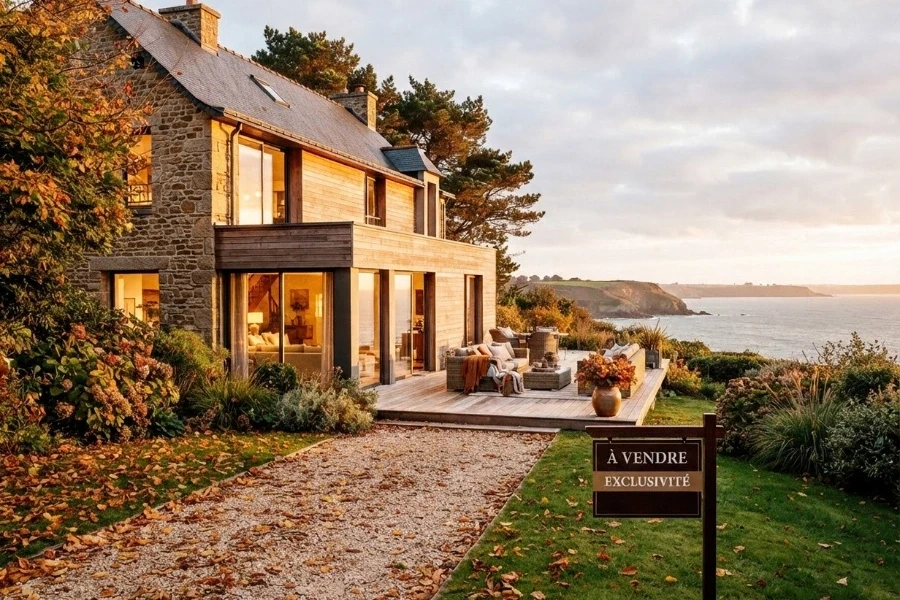
Coastal decor: 6 ideas to make your home cosy for autumn
Colours, textiles, lighting and natural materials: discover six ways to update your coastal ...


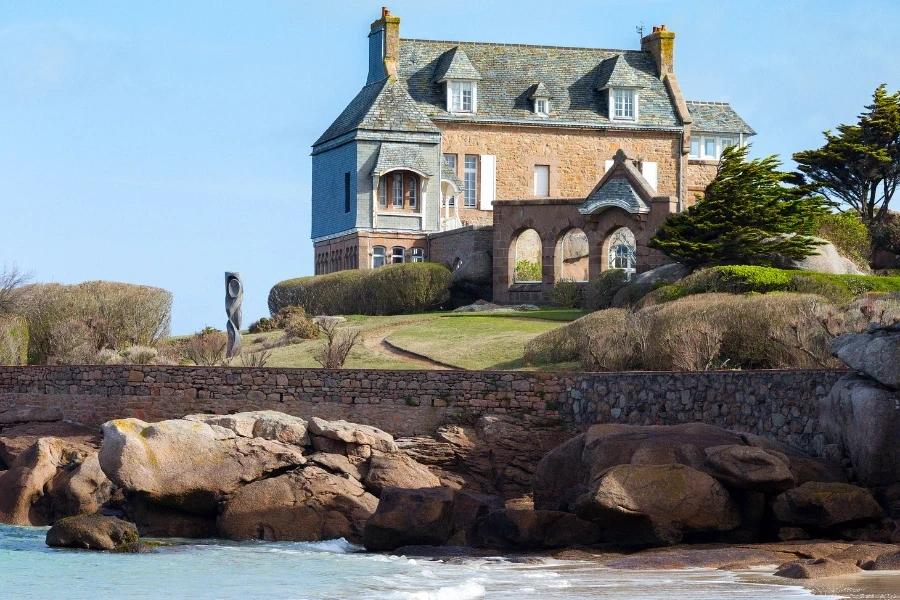
Buying a house in France while living abroad is a dream shared by many Europeans. Pleasant climate, cultural richness, gastronomy, safety and heritage: France offers a unique art of living, both authentic and modern.
Good news: there are no restrictions on property purchases by foreigners. But to make this project a reality from abroad, it is essential to fully understand the process, the different financing options and the regions that offer the best investment opportunities.
If you are just becoming familiar with the French property market, you can begin by learning about the key steps in the French real-estate buying process. Then discover here how to buy from abroad, what the legal, banking and tax specifics are, and where to invest to combine pleasure and long-term security.
1. Why choose to buy a house in France?
2. The legal procedures you need to know before buying a house in France
3. Financing your purchase from abroad
4. International taxation and tax treaties
5. The most attractive regions in France
6. Renting out and managing your property from abroad
7. FAQ – Frequently asked questions before buying a house in France
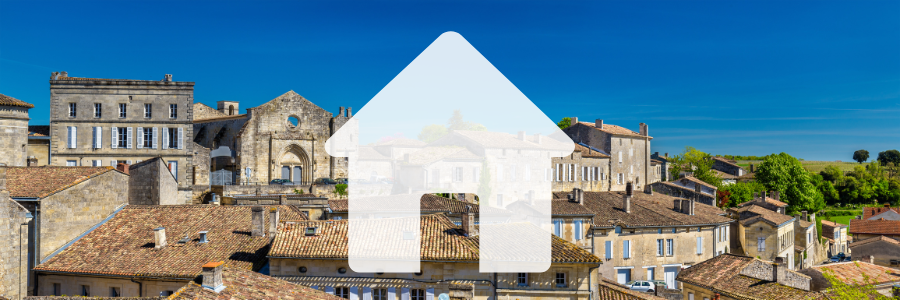
France has always appealed to foreign real-estate investors. Between 2024 and 2025, foreign buyers accounted for nearly 2% of transactions in the resale property market. The most represented nationalities were Belgians, British, Americans, Dutch, Germans and Chinese.
Legal security, cultural heritage, varied climate and gastronomy make France one of the most sought-after countries in Europe for property investment.
From the Côte d’Azur to Brittany, every region offers a unique lifestyle: picturesque villages, preserved nature, regional gastronomy and rich history. Despite a contrasting economic context, the French property market remains solid, particularly along the coast and in the countryside.
Buying a house in France means combining personal enjoyment with long-term investment, whether it is a holiday home, a retirement residence or a buy-to-let property investment. France guarantees an attractive lifestyle and a stable property market over time.
In France, every real-estate transaction must be handled by a notary. This legal professional certifies the validity of the sale and secures the funds. They can also prepare bilingual documents for non-residents and advise you on French tax rules.
Thanks to digitalisation, it is now possible to buy property in France without travelling. Electronic signatures and notarised powersof attorney allow you to complete the purchase from abroad. With a notarised power of attorney, you may appoint a trusted person—such as a specialised agency—to act on your behalf.
Administrative documents (passport, proof of income, civil-status certificates) must be translated by a sworn translator. The notaire may request a birth or marriage certificate to complete the full purchase file.

French banks do offer financing to non-residents, often with a higher down payment (between 20% and 30% of the property price). Interest rates remain attractive, with an average of 3.35% over 20 years in the second half of 2025, and loan durations are similar to those offered to French residents (15 to 20 years).
A solid application file is essential: stable income (or income domiciled in France), proof of residence, bank statements and a clear tax situation.
The mortgage loan allows a foreign buyer who already owns property in France (and sometimes abroad) to take out a loan by offering an existing property as collateral.
Paying in full with personal funds is ideal for simplifying procedures, particularly for purchases under €150,000.
Loans via foreign banks. Some European institutions and local banks may finance real-estate purchases in France.
Currency exchange management is recommended for buyers outside the eurozone. It allows you to secure and optimise the conversion of your home currency into euros and avoid exchange-rate fluctuations. Opening a French bank account helps facilitate transfers and reduce conversion fees.
Buying property in France involves certain tax obligations, even for non-resident buyers. As a general rule, taxation applies in the country where the property is located. Thus, income from renting out a property in France (furnished or unfurnished) is subject to French income tax, with a minimum rate of 20%, and social contributions (17.2%).
Non-residents declare their income using form no. 2042, and they may benefit from simplified tax regimes such as micro-foncier or the real regime. Expenses (loan interest, works, taxes) are often deductible.
To avoid double taxation, France has signed tax treaties with more than one hundred countries, including the United Kingdom, Switzerland, Belgium, Portugal, Italy, the United States and Canada.
These agreements specify which country is authorised to tax real-estate income and ensure that the same income is not taxed twice. In practice, most of the time, the real-estate income from a property located in France is taxable only in France, with a tax credit granted in the buyer’s country of residence.
Non-residents are also subject to the French real-estate wealth tax (IFI) when the net value of their real-estate assets located in France exceeds €1.3 million.
In terms of inheritance, international conventions define which country is competent, thereby avoiding double taxation for heirs.
Before buying a house in France, it is strongly recommended to consult a notary or an international tax specialist. They can determine the most suitable purchasing structure (in your own name, via an SCI or through a foreign company), optimise taxation and plan inheritance matters.
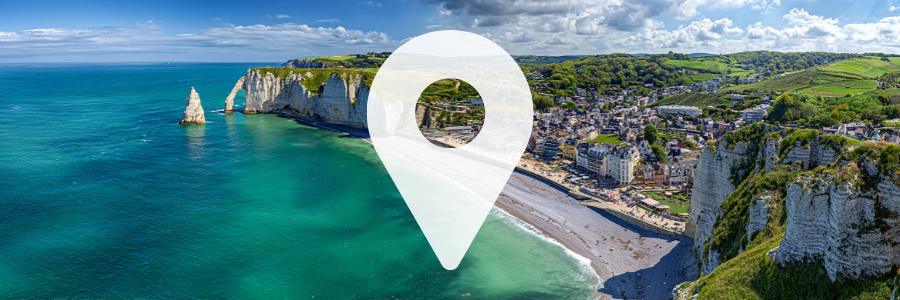
From the Côte d’Azur to the Breton coast, the diversity of landscapes and lifestyles makes France one of the most attractive markets for a real-estate purchase.
The Côte d’Azur and Provence are among the most sought-after regions in the French property market. Their popularity is fuelled by a sunny climate, exceptional natural surroundings and a genuine art of living blending seaside atmosphere, hilltop villages, vineyards and Mediterranean culture. These regions have long attracted an international clientele.
There you will find a great variety of properties: contemporary villas with swimming pools, sea-view apartments in high-end residences, bastides and Provençal farmhouses carefully restored.
Key cities and areas: Nice, Cannes, Antibes, Saint-Tropez, Sainte-Maxime, Aix-en-Provence, the Luberon (Gordes, Bonnieux) and Cassis.
With its rolling hills, medieval villages and renowned gastronomy, the South-West—particularly Dordogne, Lot, Gers and Tarn-et-Garonne—attracts buyers seeking space and tranquillity. More affordable prices than in the South-East make it especially appealing to foreign buyers, particularly British, Dutch and Belgian.
The market offers stone houses, renovated farmhouses, wine estates and large family homes with land. It is an ideal environment for a second home or a more rural lifestyle project.
Key cities and areas: Sarlat-la-Canéda, Bergerac, Périgueux, Cahors, Montcuq, Rocamadour, Auch and Montauban.
Wild, authentic and rich in identity, Brittany and Normandy appeal both for their maritime heritage and for their accessibility from northern Europe. Proximity to Paris, reasonable cost of living and preserved coastline make these regions highly attractive for a second home or a year-round pied-à-terre.
Foreign buyers (British, German and Belgian) appreciate renovated longhouses, granite or half-timbered houses, and apartments near ports or beaches.
Key cities and areas: Saint-Malo, Dinard, Vannes, Quiberon, and Perros-Guirec in Brittany; Deauville, Honfleur, Cabourg, Granville, and Barfleur in Normandy.
Corsica and the Atlantic coast offer a rare lifestyle, combining wild beaches, characterful villages and varied natural landscapes. These regions benefit from high tourist demand, making them a strategic choice for rental investment.
Buyers look for contemporary villas, sea-view houses, traditional Basque homes, family villas close to beaches or premium apartments in the most sought-after seaside towns.
Key cities and areas: Porto-Vecchio, Bonifacio, Ajaccio, Calvi and L’Île-Rousse in Corsica; Biarritz, Saint-Jean-de-Luz, Anglet, La Rochelle, Île de Ré, Île d’Oléron, Les Sables-d’Olonne, Saint-Gilles-Croix-de-Vie on the Atlantic coast.
Renting out your house a few weeks a year is an excellent way to cover part of the running costs. Rental income is taxable in France, but there are advantageous regimes, such as LMNP (Non-Professional Furnished Rental) status.
Local agencies can take care of complete management: guest check-in, maintenance, administrative follow-up and tax declarations. On Mer et Demeures, you can directly contact expert agencies in your region.

Yes. Non-resident Europeans and non-Europeans are free to buy property in France. Only certain specific cases (investors buying via a foreign company) may require prior tax verification.
In addition to the price of the property, expect approximately 7 to 8% in notaire fees, plus local taxes (property tax, residence tax for second homes) and possible management fees or income tax if you rent out the property.
No. Thanks to power of attorney and electronic signatures, everything can be completed remotely with a notaire. However, it is advisable to visit the property beforehand or appoint a local expert.
The major French banks (BNP Paribas, Crédit Agricole, Société Générale, etc.) offer loan products specifically for non-residents. It is recommended to compare rates and check currency transfer conditions.
Yes, exactly as for French buyers. It restricts new construction along the coastline in order to protect natural areas. In principle, it forbids new construction within 100 metres of the shoreline and limits modifications to existing buildings. Before buying land or a villa, you must check buildability and zoning regulations.
Certain expenses (renovation work, loan interest, insurance, management fees) are deductible. Consulting a notaire or an international tax specialist is highly recommended to optimise your tax situation and avoid double taxation.
Buying property in France while living abroad means investing both in lifestyle and in long-term value. From Provence to Brittany, the diversity of the French territory makes it possible to find the ideal property—whether it is a holiday home, a retirement project or a rental investment.
Discover the most beautiful houses for sale in France on Meretdemeures.com and find the seaside property of your dreams:
Related articles you may also like:
Buying real estate in France: key steps in 2025
Real estate prices in France: What can you buy on the coast with €150,000?
Renovating a coastal property: the smart way to buy a home in France for Less
French beach holidays: top seaside towns by region