Buying a house with a swimming pool: what you need to know before investing
Between comfort, increased property value and rental investment potential, a house with a ...


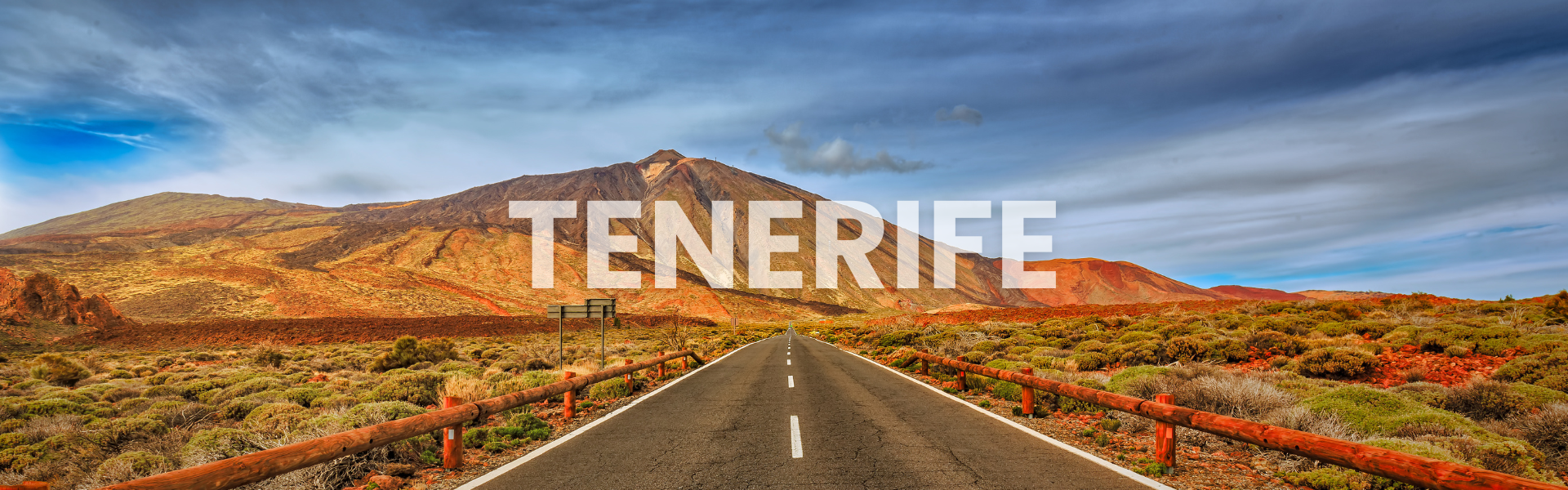
Tenerife is often recommended to travellers visiting the Canary Islands for the first time. The archipelago’s largest island brings together a wide variety of landscapes and activities: developed beaches, historic villages, forests, natural pools, lively resorts and volcanic terrain dominated by Mount Teide.
The south of Tenerife reflects the island’s best-known seaside image. Costa Adeje, Playa de las Américas and Los Cristianos combine beaches, restaurants, shops and family activities. The beaches are generally well equipped and the atmosphere is distinctly tourist-oriented. This area is particularly suitable for travellers who want plenty of services close to their accommodation.
For a quieter stay, Playa San Juan, Alcalá or Los Gigantes offer an atmosphere more focused on the sea and the coastal scenery. El Médano attracts windsurfing and kitesurfing enthusiasts thanks to its favourable exposure to the winds.
The north is greener and more traditional. Puerto de la Cruz allows visitors to combine heritage, gardens, volcanic beaches and walks along the ocean. La Orotava and Garachico reveal their historic architecture, while natural pools provide a different way to enjoy the sea from the beaches of the south.
Tenerife is therefore particularly well suited to families, groups and travellers who want to alternate between the beach, sightseeing and leisure activities. Some visitors eventually become interested in houses and apartments near the sea in Tenerife, with a view to settling there permanently, particularly around Costa Adeje, Los Cristianos or the west coast.
Tenerife is right for you if you are looking for: a versatile destination, varied activities, lively resorts and family-friendly infrastructure.
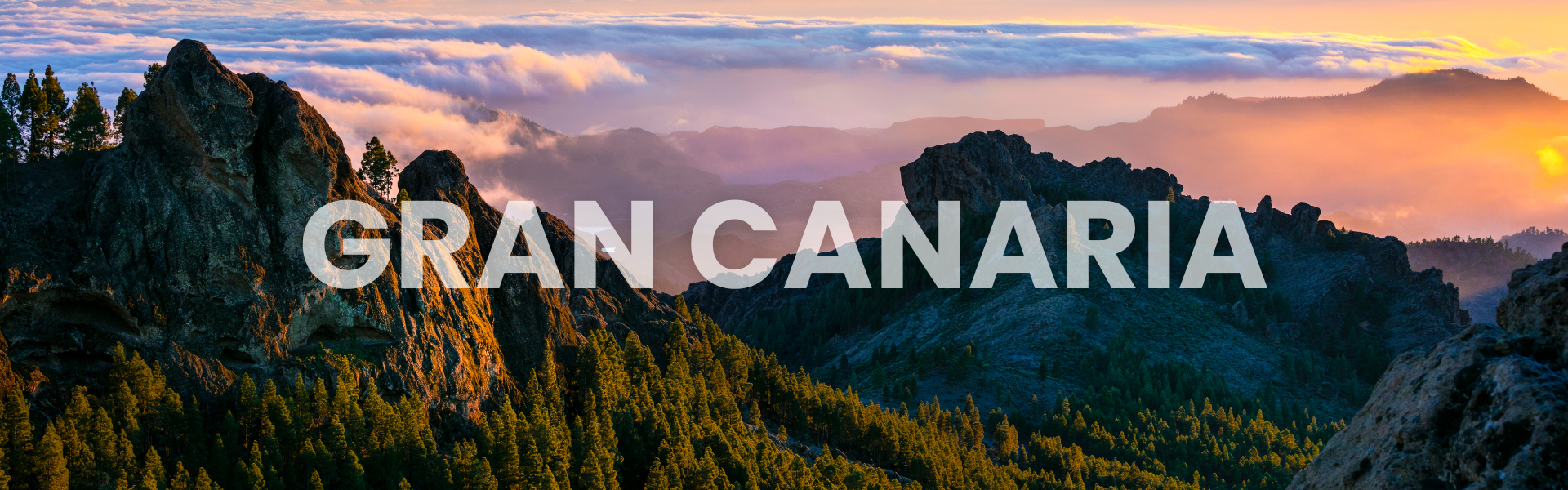
Gran Canaria offers an excellent compromise between a beach holiday, cultural discovery and excursions into the interior. The island combines the beaches and resorts of the south, the historic districts of Las Palmas de Gran Canaria and the mountainous landscapes of its centre.
The south contains the main tourist areas. Maspalomas is known for its nature reserve of almost 400 hectares, made up of dunes, a palm grove, a lagoon and a long beach. Nearby, Meloneras offers a more residential, upmarket atmosphere, while Playa del Inglés provides livelier entertainment and extensive facilities.
Puerto de Mogán, with its harbour, colourful houses and pedestrian streets, is a popular destination for couples and families seeking a more intimate setting. The south-west coast also features several coves and resorts ideal for a seaside holiday.
Las Palmas de Gran Canaria adds a genuine urban dimension to the trip. The capital allows you to stay close to Las Canteras beach while enjoying restaurants, museums, markets and the historic districts of Vegueta and Triana. It is a good option for travellers who do not want their entire stay to revolve around a seaside resort.
The island’s interior is also worth several excursions. Picturesque villages such as Tejeda, Artenara and Teror, panoramic roads and mountain landscapes reveal a more rural side of Gran Canaria. The Risco Caído and Sacred Mountains cultural landscape also bears witness to the island’s pre-Hispanic history.
Many visitors fall in love with Gran Canaria. Some even decide to buy a house or apartment in Gran Canaria, to enjoy the island throughout the year or spend every holiday there.
Gran Canaria is right for you if you are looking for: beaches, a major city, mountain villages and a wide range of activities within a relatively compact area.
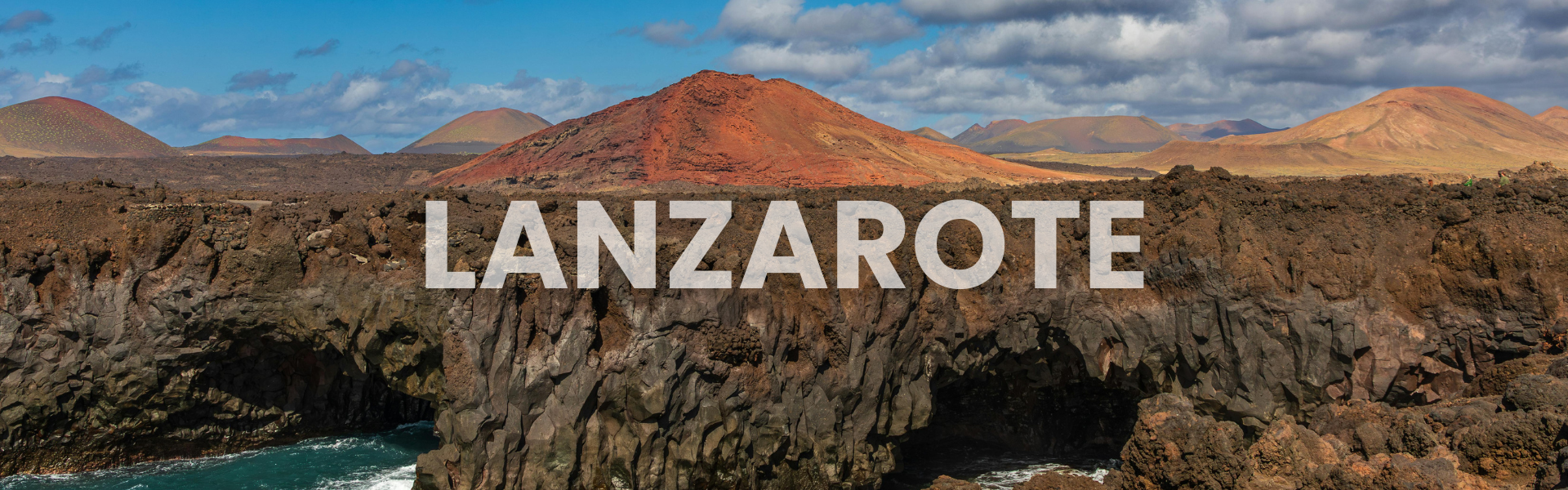
Lanzarote has a unique visual identity. Lava fields, craters, black and red earth, white houses and vineyards shape a landscape unlike any other European seaside destination.
Timanfaya National Park is the island’s most iconic site. The eruptions that took place between 1730 and 1736 profoundly transformed the land, creating a collection of volcanic cones, lava flows and terrain in almost unreal colours.
The sense of escape continues in the vineyards of La Geria, where the vines are sheltered from the wind in hollows dug into the volcanic ash. The works and sites associated with César Manrique, including Jameos del Agua and Mirador del Río, also contribute to Lanzarote’s architectural and cultural identity.
For a stay close to the beaches, Playa Blanca is one of the best family destinations. It provides easy access to the coves of Papagayo and has a marina as well as ferry connections to Fuerteventura.
Puerto del Carmen is livelier and has a long seafront promenade. Costa Teguise suits families and water-sports enthusiasts, while Famara mainly attracts surfers.
For peace and quiet, choose Haría, Teguise or the inland villages. El Golfo and the small coastal communities also offer a more authentic atmosphere, away from the main tourist resorts.
Lanzarote is right for you if you are looking for: a striking change of scenery, volcanic landscapes, preserved architecture and an atmosphere that is generally quieter than the major resorts of Tenerife.
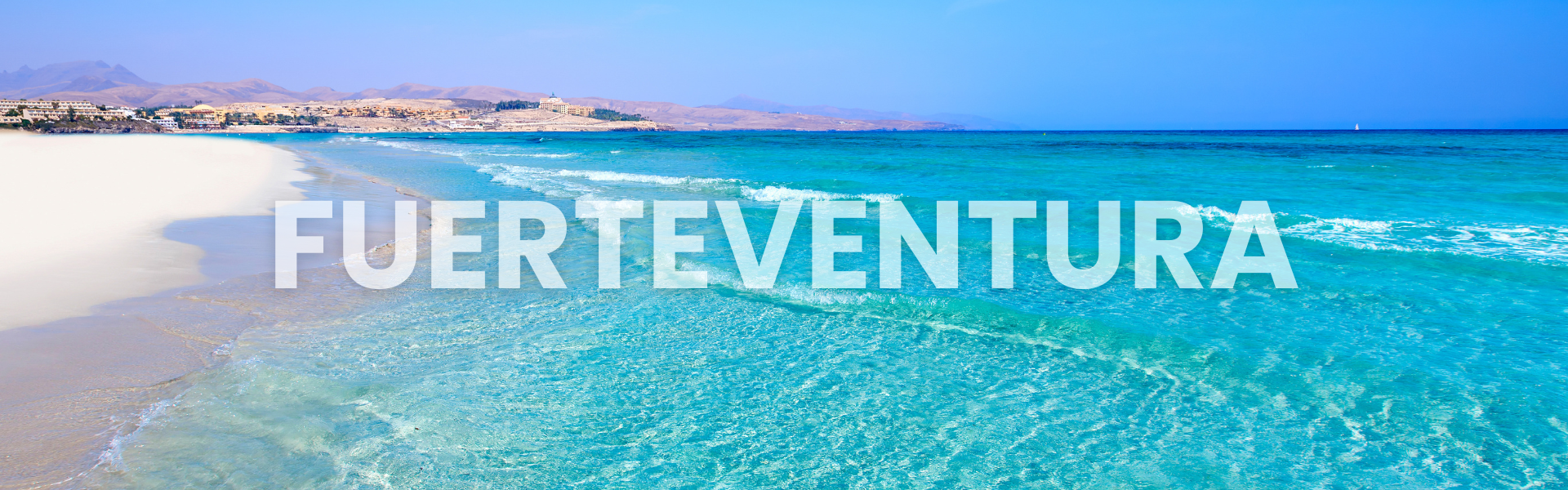
Fuerteventura is first and foremost a seaside destination. Its long beaches, dunes and open landscapes make it one of the most popular Canary Islands for travellers who want to devote their holiday to swimming, surfing or walking on the sand.
In the north, Corralejo offers beaches, shops, restaurants and water activities. Corralejo Dunes Natural Park provides spectacular scenery facing Lobos Island. The resort is also a convenient departure point for reaching Lanzarote by ferry.
A few kilometres away, El Cotillo has a more relaxed atmosphere. Its lagoons and beaches are suitable for families, while its more exposed coastline attracts surfers. Nearby, Lajares has become a popular place for its cosmopolitan atmosphere, cafés and proximity to the main surf spots in the north.
The south is dominated by the beaches of Costa Calma, Sotavento and the Jandía Peninsula. The vast stretches of sand and wind conditions are ideal for windsurfing and kitesurfing enthusiasts.
Fuerteventura is less suitable, however, for travellers who prioritise cultural visits, vegetation or historic towns. To explore the island’s different areas, renting a car is strongly recommended.
Fuerteventura is right for you if you are looking for: long beaches, wide-open spaces, a relaxed atmosphere and good conditions for water sports.
Are you looking for a second home in Fuerteventura? Discover our listings on this unmissable Canary Island:
Houses and apartments in Fuerteventura
The western islands are aimed at travellers who prefer hiking, unspoilt landscapes and villages to large seaside resorts.
Nicknamed “La Isla Bonita”, La Palma stands out for its relief, forests, volcanoes and star-filled skies. It suits travellers who want to walk, observe the scenery and stay in a greener environment.
Santa Cruz de La Palma is known for its heritage and traditional houses. Los Llanos de Aridane is a good starting point for exploring the west, while Tazacorte brings visitors closer to the sea.
Although La Palma has many beaches, it is more suited to hikers and rural-tourism enthusiasts.
La Gomera is renowned for Garajonay National Park, its ravines and its many trails. Valle Gran Rey contains a significant share of the island’s tourist accommodation and provides access to the sea, while San Sebastián de La Gomera is the island’s main gateway.
To reach La Gomera, you will need to take an inter-island flight or travel by ferry from Tenerife.
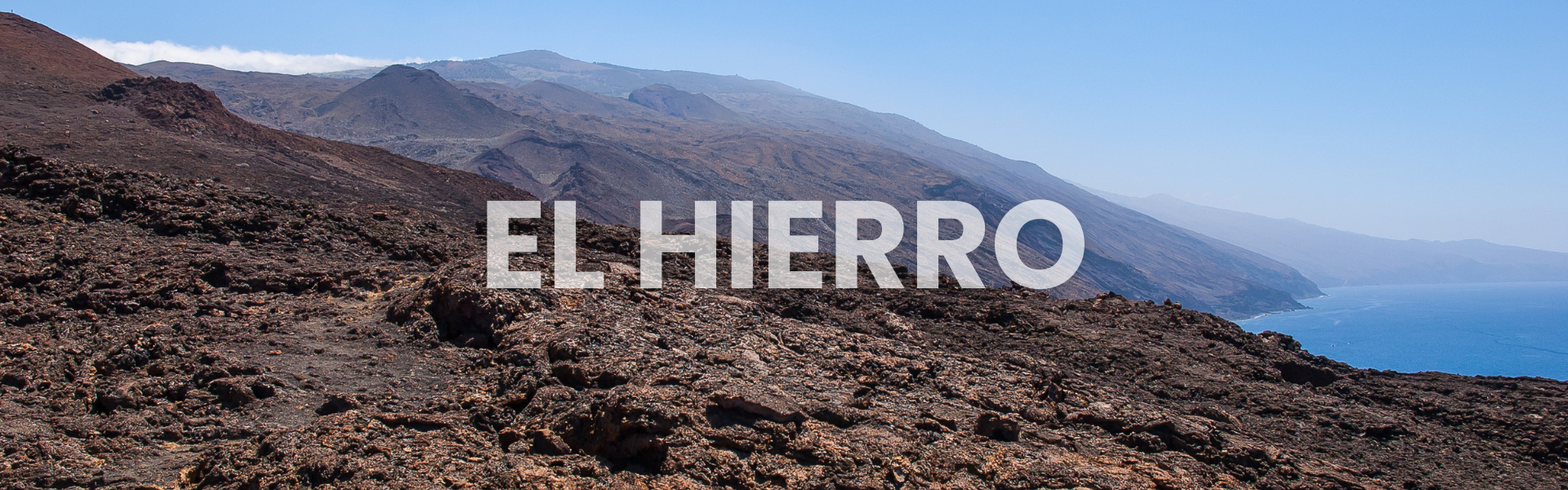
El Hierro is one of the archipelago’s least-visited islands. Valverde, La Frontera and El Pinar are the main settlements, surrounded by volcanic landscapes and sparsely developed areas.
The island particularly attracts diving, hiking and nature enthusiasts. It suits travellers who accept a more limited tourist offering in exchange for an unspoilt environment and a genuine sense of remoteness.
These islands are right for you if you are looking for: hiking, peace and quiet, natural landscapes and fewer visitors.
For a first trip to the Canary Islands, Tenerife is generally the easiest choice. It allows you to combine relaxing on the beach, family activities, natural sites and historic towns, while offering a wide choice of accommodation.
For a Canary Islands family holiday, Tenerife, Gran Canaria and Lanzarote are the easiest destinations to organise. Southern Tenerife, Maspalomas, Puerto de Mogán, Playa Blanca and Costa Teguise have developed beaches and a wide range of services.
For the longest beaches, Fuerteventura is the natural choice. Corralejo, El Cotillo, Costa Calma and Jandía are particularly well suited to travellers who want to spend most of their stay beside the ocean.
For a couple’s holiday, Lanzarote offers an original and distinctive setting. Its volcanic landscapes, white villages, vineyards and smaller accommodation options are well suited to a getaway for two.
To combine beaches and city life, Gran Canaria is the most suitable destination. Las Palmas offers a large beach while retaining the advantages of a city that remains active throughout the year.
For an active holiday, Fuerteventura and Lanzarote suit fans of surfing, windsurfing and kitesurfing. Tenerife and La Palma are more highly recommended for hiking and mountain routes.
For peace, quiet and nature above all, La Palma, La Gomera and El Hierro offer a more secluded experience.
Tenerife is generally the most suitable island for a first visit. It combines beaches, volcanic landscapes, historic villages, hiking and family activities, with a wide choice of accommodation and services.
Tenerife, Gran Canaria and Lanzarote are particularly well suited to families. Southern Tenerife, Maspalomas, Puerto de Mogán, Playa Blanca and Costa Teguise offer well-equipped beaches, a wide range of accommodation and easily accessible services.
Southern Tenerife and southern Gran Canaria are especially popular in winter thanks to their generally mild climate and seaside resorts. Lanzarote and Fuerteventura are also good options, although they can be more exposed to the wind.
Renting a car is recommended if you want to explore the islands’ inland areas, villages, natural sites and more secluded beaches. It is particularly useful in Fuerteventura, Lanzarote and La Palma, as well as in the mountainous areas of Tenerife and Gran Canaria.
The main islands are connected by inter-island flights and ferries. Some crossings are particularly easy, notably between Tenerife and La Gomera or between Lanzarote and Fuerteventura, but it is best to limit the number of islands you visit in order to maintain a relaxed holiday pace.
Would you like to live, spend every holiday or retire in the Canary Islands? Discover our listings of houses and apartments for sale across the archipelago on Meretdemeures.com:
You may also be interested in these articles:
Christmas in the Canary Islands, with your feet in the sand and your head in the stars
Buying property in Spain: what you need to know
Where to buy a holiday home in Spain: top 5 most beautiful islands