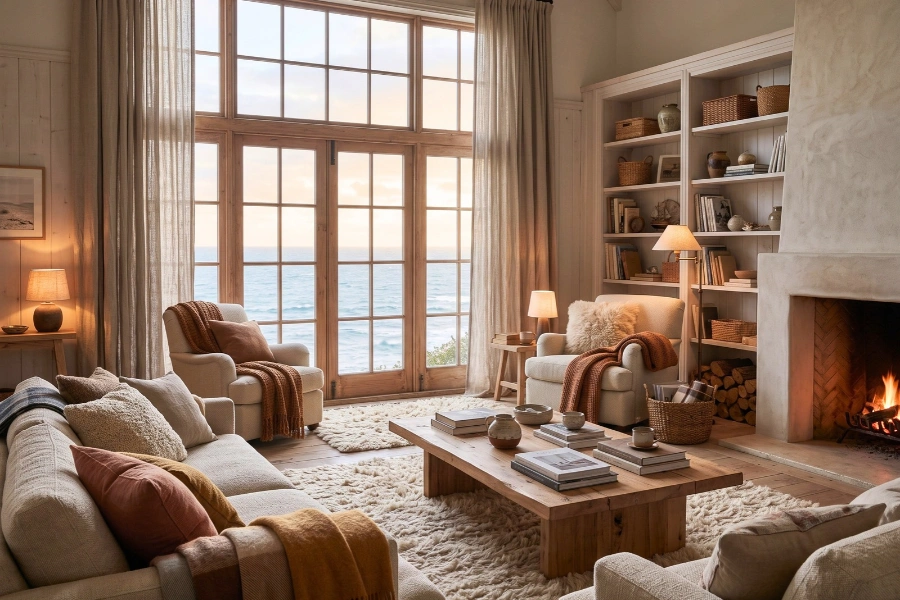
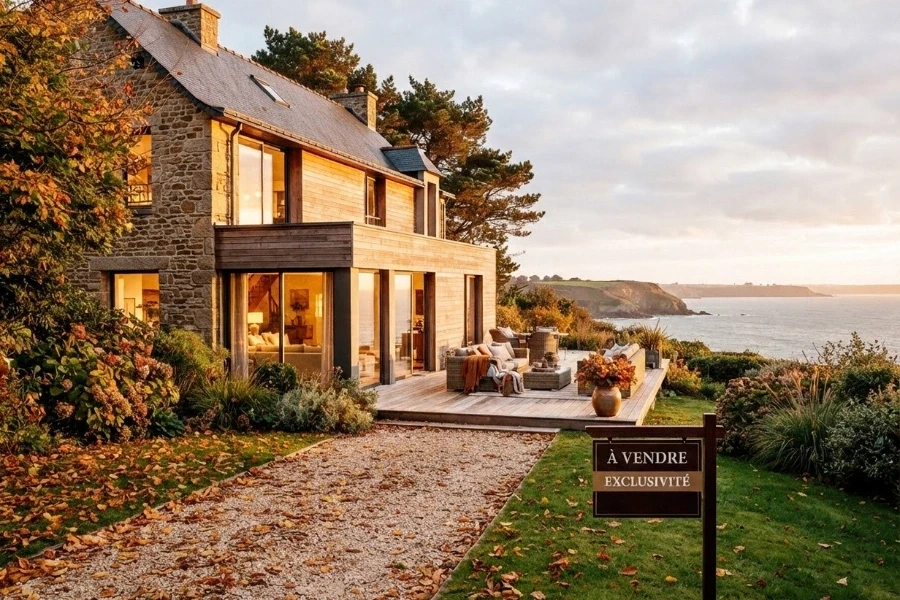
Coastal decor: 6 ideas to make your home cosy for autumn
Colours, textiles, lighting and natural materials: discover six ways to update your coastal ...


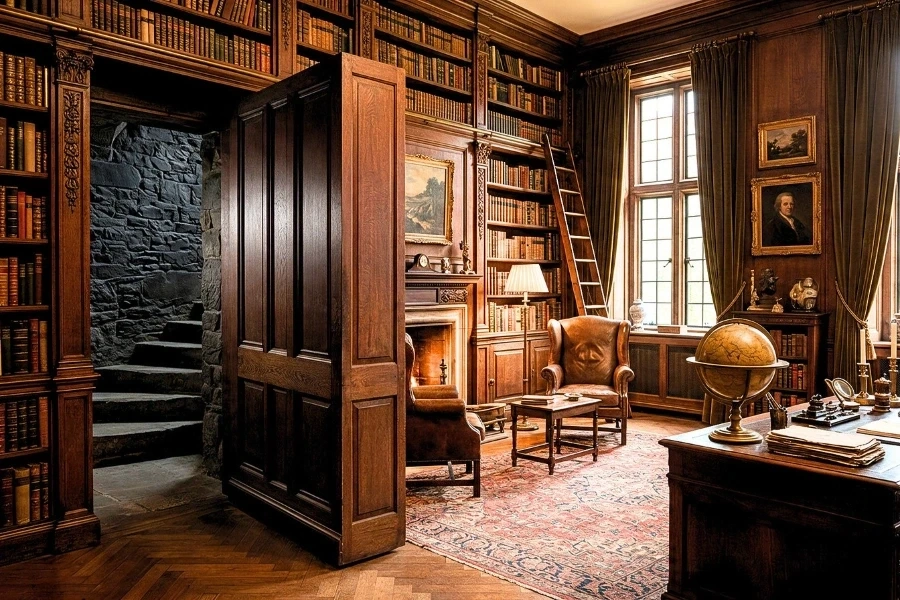
A door that appears to have been sealed shut. A staircase descending into darkness. A bookcase with a panel concealing an entrance. Some old houses have architectural features that visitors would never suspect existed. And behind these hidden spaces are sometimes stories even more unsettling than those found in Gothic novels.
For centuries, secret passages were used to protect people or possessions, preserve privacy or simply move around unnoticed. From England to Italy, via France and Portugal, these architectural features offer a glimpse into the lifestyles of the past. Long forgotten, they are now making a comeback in some contemporary homes.
1. Why were secret passages built in old houses?
2. England: hiding places that could save lives
3. France and Italy: the secrets of the palaces
4. Portugal and Japan: labyrinths and hidden staircases
5. Hidden rooms in modern homes
6. Could your house be hiding a forgotten room?
FAQ – Secret passages and hidden rooms in old houses
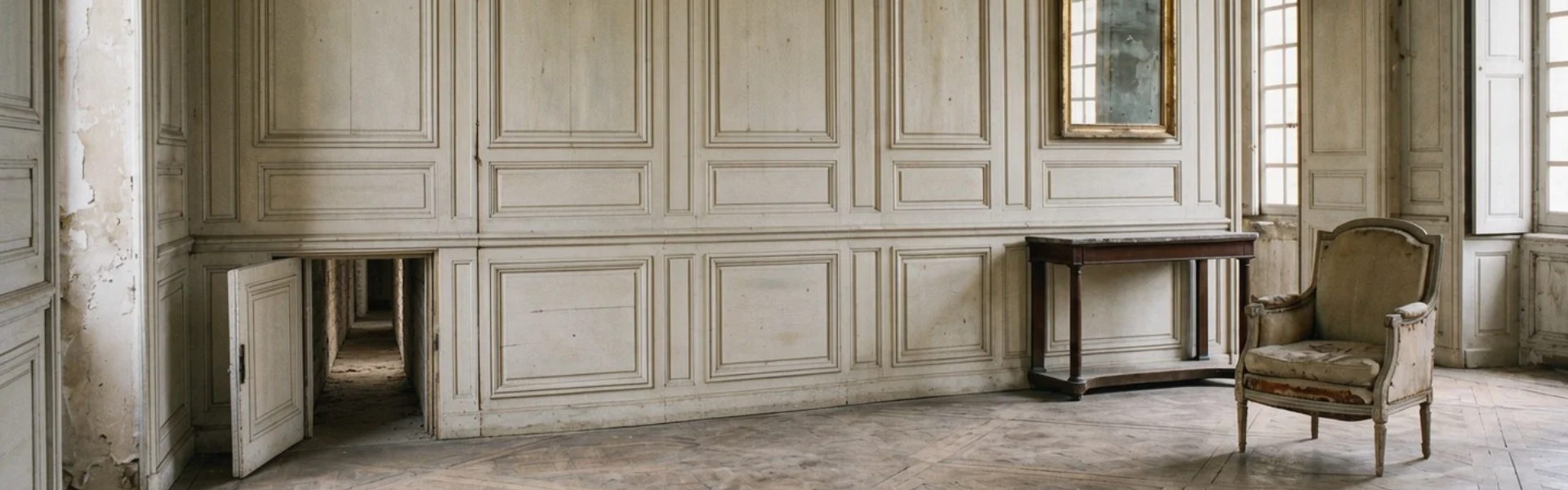
The romantic image of a secret passage conceals some very practical purposes. In French castles and grand English houses, secondary staircases and servants' corridors allowed domestic staff to move around without disturbing the owners. Other concealed routes discreetly connected private apartments to reception rooms.
Yet not every hidden door was designed simply to make moving around easier. Depending on the period and country, some led to genuine refuges, particularly during times of political or religious unrest. Others opened onto private chambers, illicit bars or concealed rooms used to store valuable documents and objects.
There was also a taste for mystery and theatricality. In Renaissance palaces, hiding a room behind a painting or wood panelling was as much a display of ingenuity as a symbol of prestige.
Some castles and historic properties for sale in France may still hold secrets of this kind.
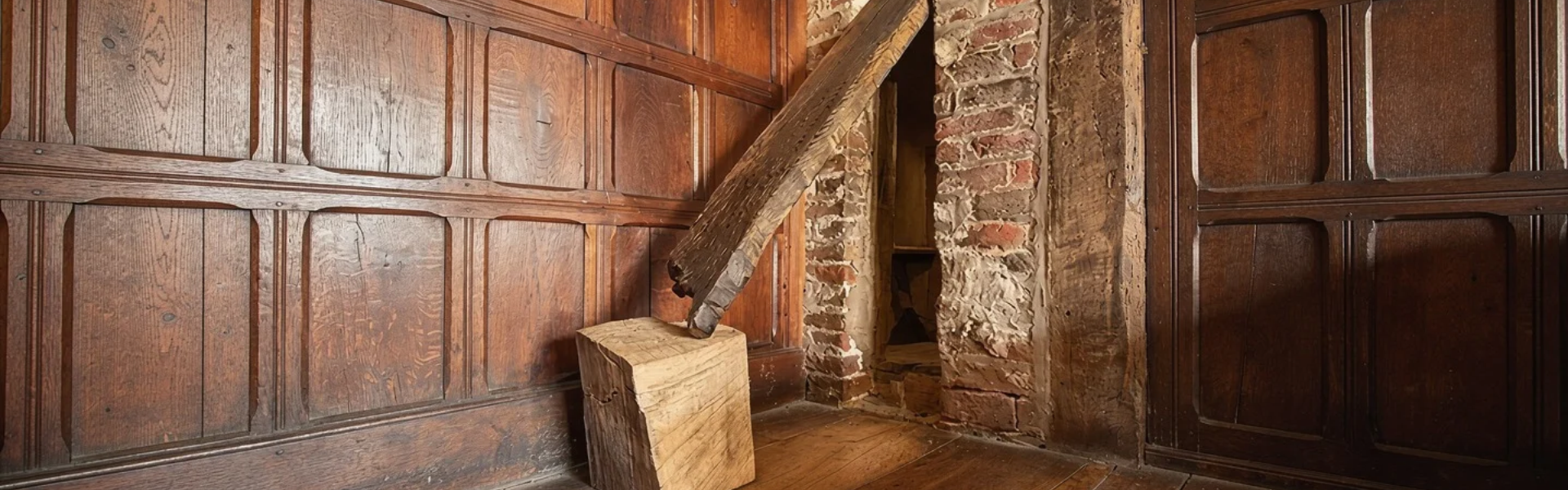
In 16th- and 17th-century England, religious persecution prompted some Catholic families to create ingenious hiding places in their homes to shelter priests threatened with arrest.
Known as priest holes, these concealed spaces were sometimes so cramped that standing upright was impossible. Imagine having to remain motionless in the dark while soldiers searched the house… Harvington Hall, a manor house in Worcestershire, still contains seven such refuges, some attributed to the carpenter Nicholas Owen, renowned for his skill in constructing almost undetectable hiding places.
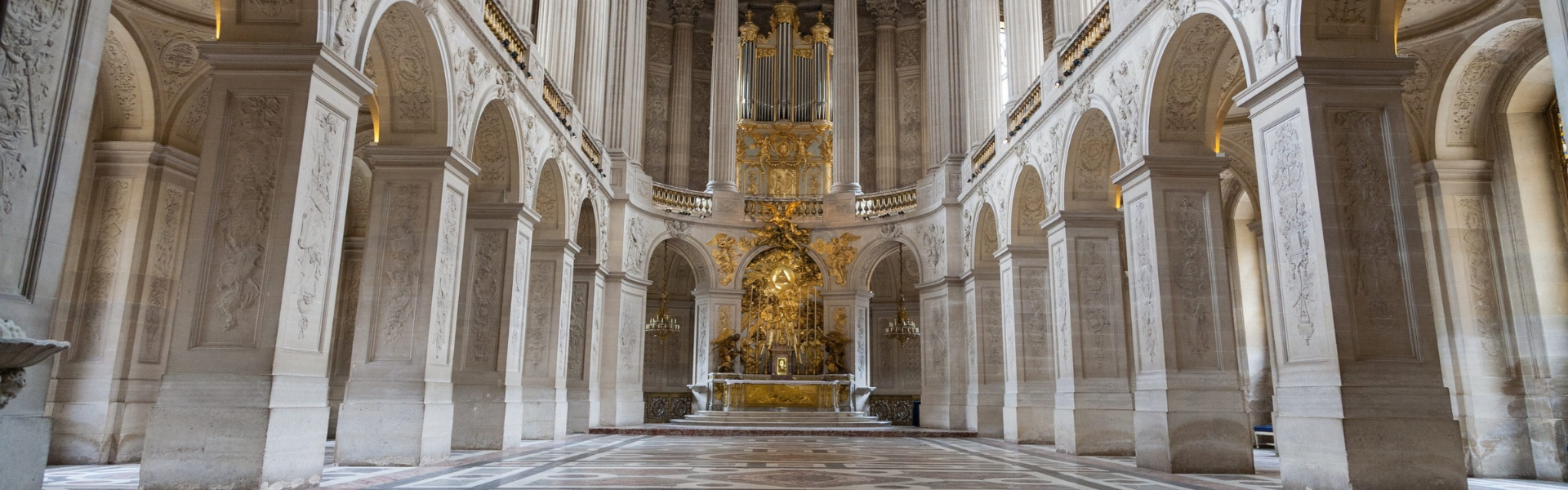
In France, hidden passages also tell stories of aristocratic intrigue and private life. At the Palace of Versailles, the bedroom of Madame Du Barry, Louis XV's last official mistress, was directly connected to the king's private apartments by a discreet staircase. It offered a way to move around away from courtly ceremony and prying eyes.
Across the Alps, Italian palaces hold other surprises. In Florence, the Palazzo Vecchio contains a veritable architectural maze. One staircase is built into the thickness of a medieval wall, while some of the Medici family's private chambers could be reached through passages concealed behind paintings.
The Studiolo of Francesco I de' Medici housed a collection of rare and precious objects in a sumptuous setting. Here, secrecy was also associated with knowledge, wealth and curiosity.
Similar passages and concealed chambers may still be found in historic villas and character properties for sale in Italy.
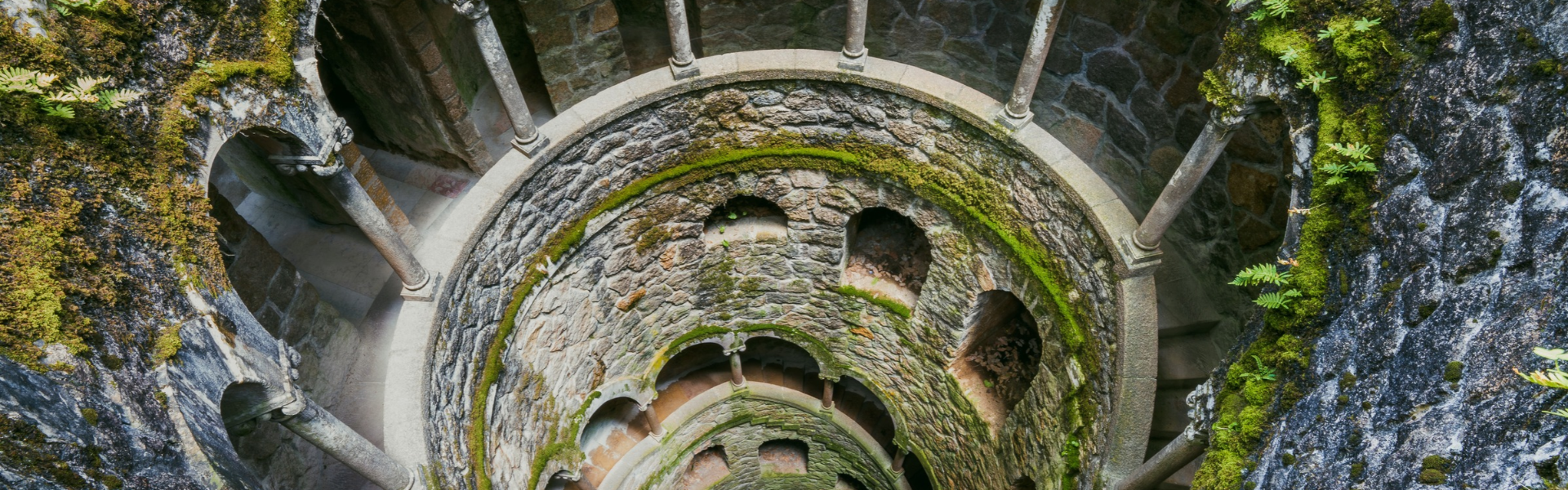
In Portugal, Quinta da Regaleira in Sintra seems straight out of a fantasy tale. In the gardens of this estate, developed in the early 20th century, an impressive initiation well descends 27 metres underground. A spiral staircase leads to a network of tunnels and caves. Esoteric symbols, mythological references and Romantic architecture combine to create a deliberately enigmatic experience.
With its mysterious palaces, historic quintas and traditional homes, Portugal has a distinctive architectural heritage. Some properties for sale in Portugal retain this charm, bringing together centuries-old stonework and history.
Thousands of kilometres away, Japan offers a very different interpretation of secret architecture. In Kanazawa, Myōryū-ji Temple, nicknamed the "Ninja Temple", features numerous hidden staircases, trapdoors and devices designed to thwart intruders.
Behind its appearance as a religious building, the temple could also serve as a defensive outpost. An ingenious game of hide-and-seek, this time devised to counter a genuine threat.
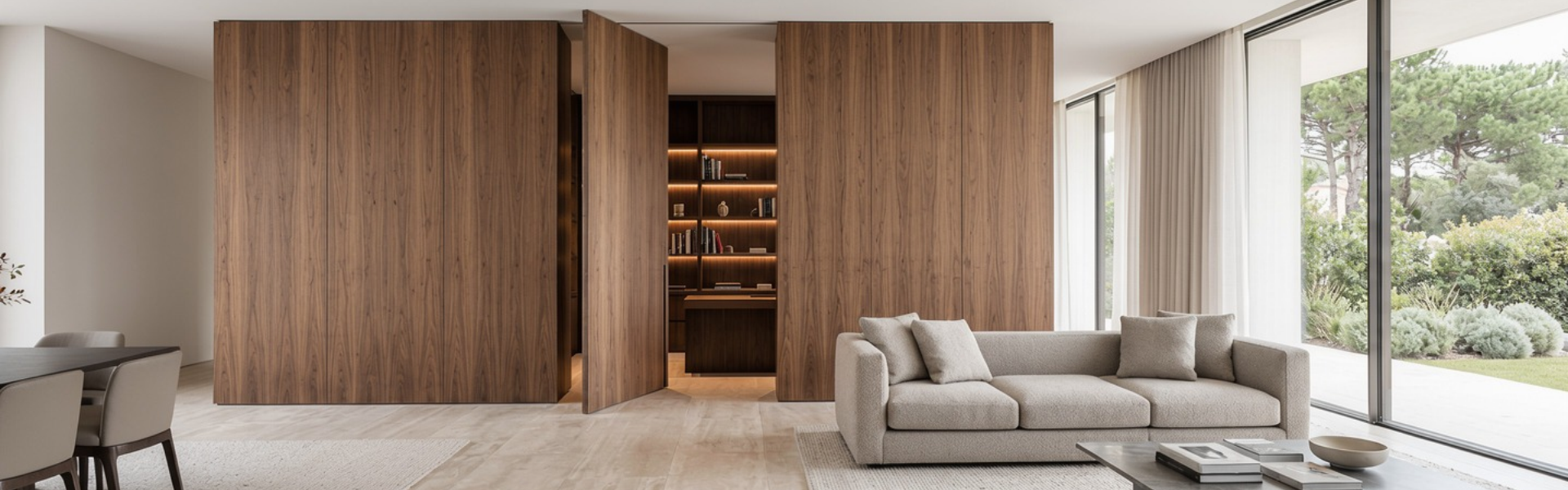
Today, there is no need to escape persecution or wall up the secrets of a royal family to install a hidden door at home. The idea also appeals to enthusiasts of contemporary architecture.
In some luxury properties, hidden rooms take the form of a home office concealed behind a revolving bookcase, a cinema room accessed through a wall panel or a wine cellar invisible from the living room.
Concealed hinges, flush doors and bespoke joinery make it possible to blend entrances almost seamlessly into their surroundings. The result creates an element of surprise while preserving private spaces or making better use of the available floor area.
A way of rediscovering the charm of old secret doors with all the comforts of modern living.
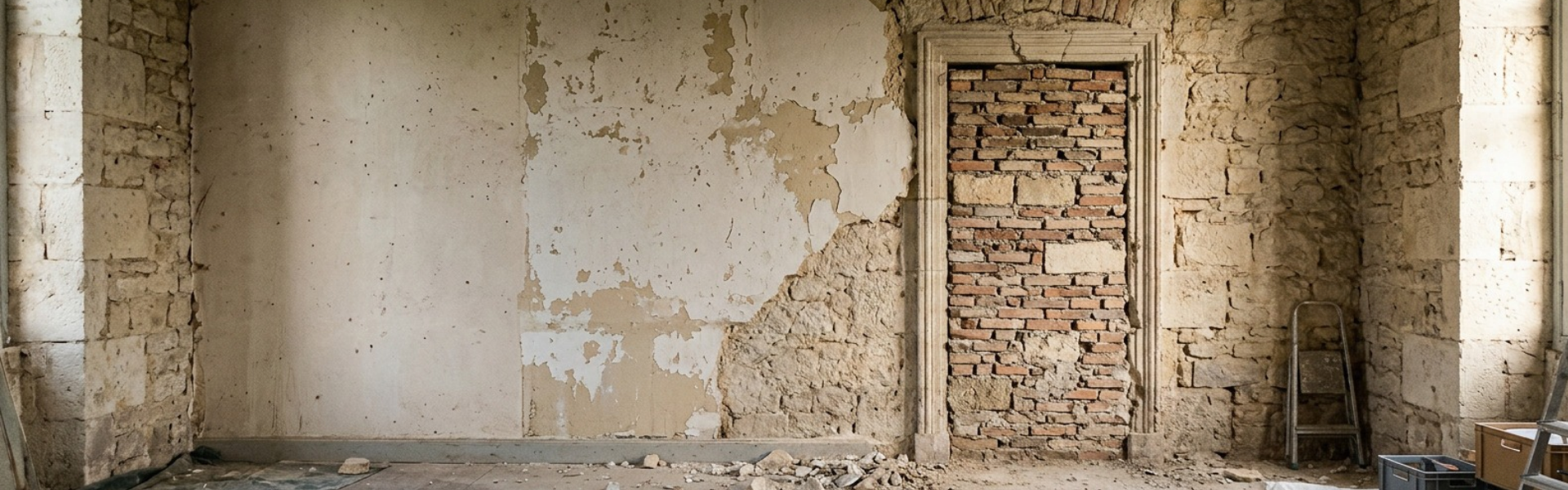
A sealed doorway, a staircase that has been removed, a bricked-up cellar… Successive renovations can sometimes erase part of a house's history. Certain spaces disappear from modern floor plans without necessarily having been demolished.
In an old house, an unusually thick wall, a change in floor level or a break in the wood panelling may reveal traces of former architectural features. Archives, historic plans and building surveys can sometimes help establish their origins. Before opening up any such space, however, it is advisable to consult a professional to avoid compromising the structure.
Ultimately, old houses do not need to be haunted to retain an air of mystery. Sometimes, all it takes is a door that no one has opened for years.
And who knows? Some luxury properties for sale in France may still contain a concealed room.
They allowed people to move around discreetly, protected residents' privacy, made servants' work easier or, in certain circumstances, provided shelter for people facing persecution.
They can be found in many countries, including France, England, Italy and Portugal. Their functions and designs vary according to the period and local architectural traditions. No reliable global ranking exists to establish which country has the most.
Historic floor plans, sealed doorways, unusual walls or discrepancies between the stated floor area and visible spaces can provide clues. A professional building survey is needed to confirm them.
Yes. A revolving bookcase, invisible door or sliding panel can conceal a home office, dressing room or leisure space. The project must comply with the property's technical, access and safety requirements.
What if your next home had a story of its own to tell? Discover character homes and coastal properties for sale on MeretDemeures.com.
You might also be interested in:
Haunted houses for sale: property curiosities or good investments?
Houses in Croatia: how to recognise traditional Croatian architecture
Houses for sale in Tuscany: the most sought-after properties
Buying a house for €1 in Italy: how does it work?