Solutions Maison Biarritz 2026: ideas and advice for your home projects
From 9 to 11 October 2026, the Solutions Maison home show returns to the Halle d’Iraty in ...


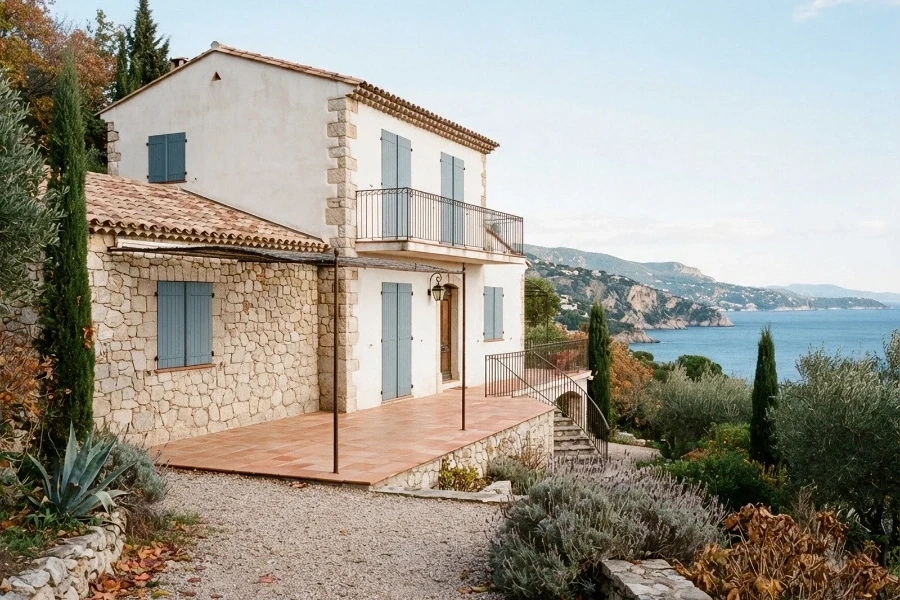
As autumn sets in and winter approaches, you may already be thinking about your next stay at your seaside second home. To avoid unpleasant surprises when you return, a few precautions are worth taking before leaving the property unoccupied for several weeks.
A small leak, excess humidity or a blocked drain can go unnoticed for weeks. The risks vary depending on the climate and the type of property: a house exposed to frost in northern Europe does not require the same preparation as a villa on the Mediterranean coast. Before a long absence, identifying the property’s weak points can help protect it more effectively against the risks associated with its environment.
1. Before closing up, inspect the most vulnerable areas
2. Water and heating: protect the property from frost
3. Humidity: prevent hidden damage
4. Rain, wind and sea spray: prepare outdoor areas
5. Get the pool and garden ready for winter
6. Keep an eye on the property remotely
FAQ – Preparing your second home for winter
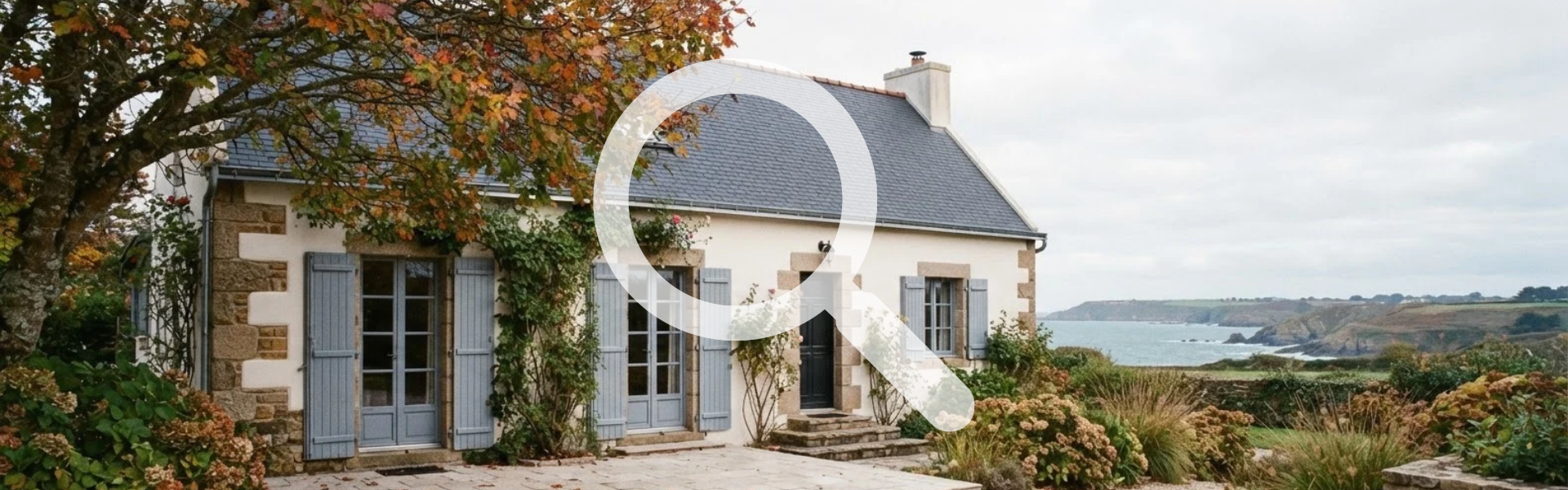
Before leaving, a quick inspection can help identify weaknesses that may worsen over the winter.
For example, you can check:
Météo-France points out that episodes of strong winds can damage roofs and chimneys, bring down branches or trees and carry away objects left outdoors. In coastal areas, for example, gusts can sometimes reach 120 to 130 km/h.
Inside the property, use this inspection to look for leaks or any recent signs of damp. Unplug electrical appliances that will not be needed while you are away. Conversely, make sure that ventilation systems, alarms, thermostats and detectors remain powered and are working correctly.
The aim is not to protect the property against every possible scenario, but to identify issues that could quietly develop over several weeks.
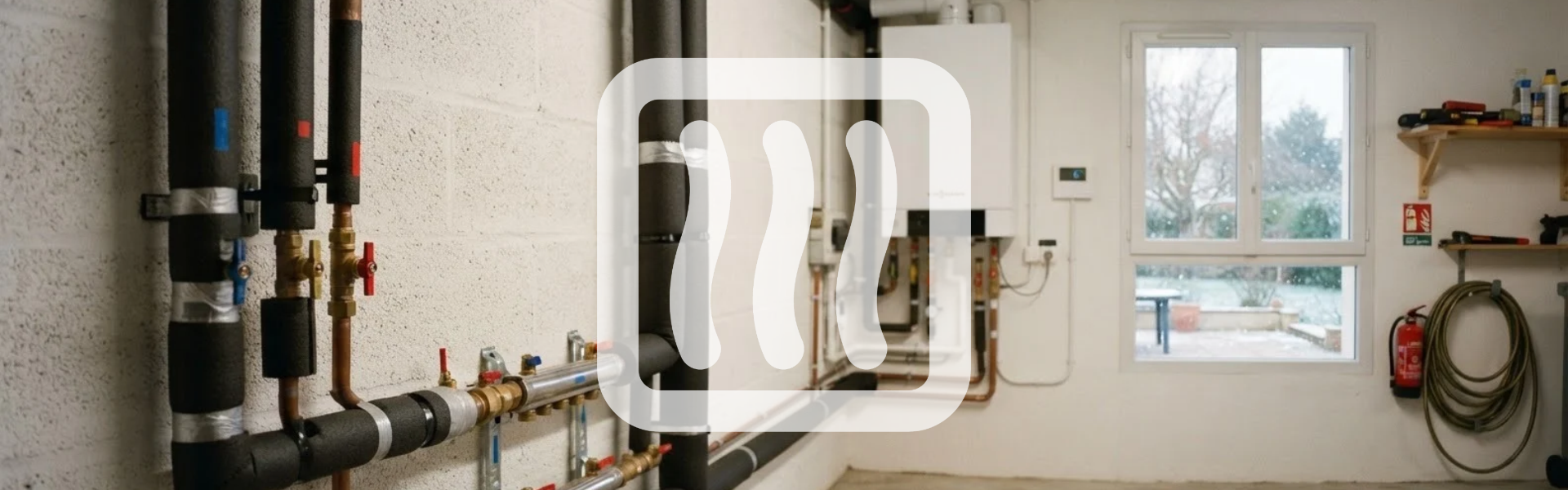
In colder regions, frost is one of the main risks for an unoccupied house. Water expands by around 9% when it freezes. This expansion can put pipes under enough pressure to cause them to burst, especially in areas most exposed to the cold, such as garages, lofts or outdoor pipework.
Depending on the climate and the installation, several approaches are possible:
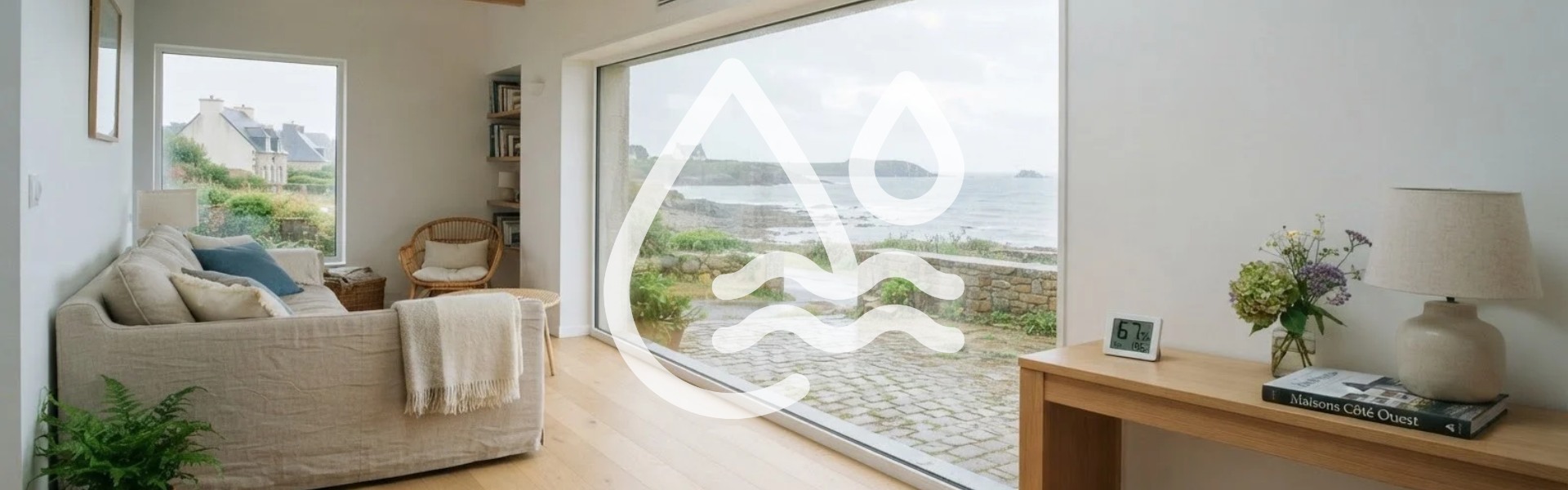
Humidity is one of a home’s main enemies. Once it takes hold, mould can develop quickly, especially in properties that are poorly heated, inadequately ventilated or left closed for several weeks.
According to the World Health Organization (WHO), a constant humidity level of 75 to 80% can encourage mould growth on certain materials. However, the organisation also notes that there is no single threshold that applies to all materials and temperatures. Persistently high humidity should therefore prompt you to investigate the cause, whether inadequate ventilation, water ingress, a leak or a thermal bridge. ADEME, for its part, recommends maintaining indoor humidity at around 40 to 60%.
To ensure good ventilation in your holiday home while you are away, you can:
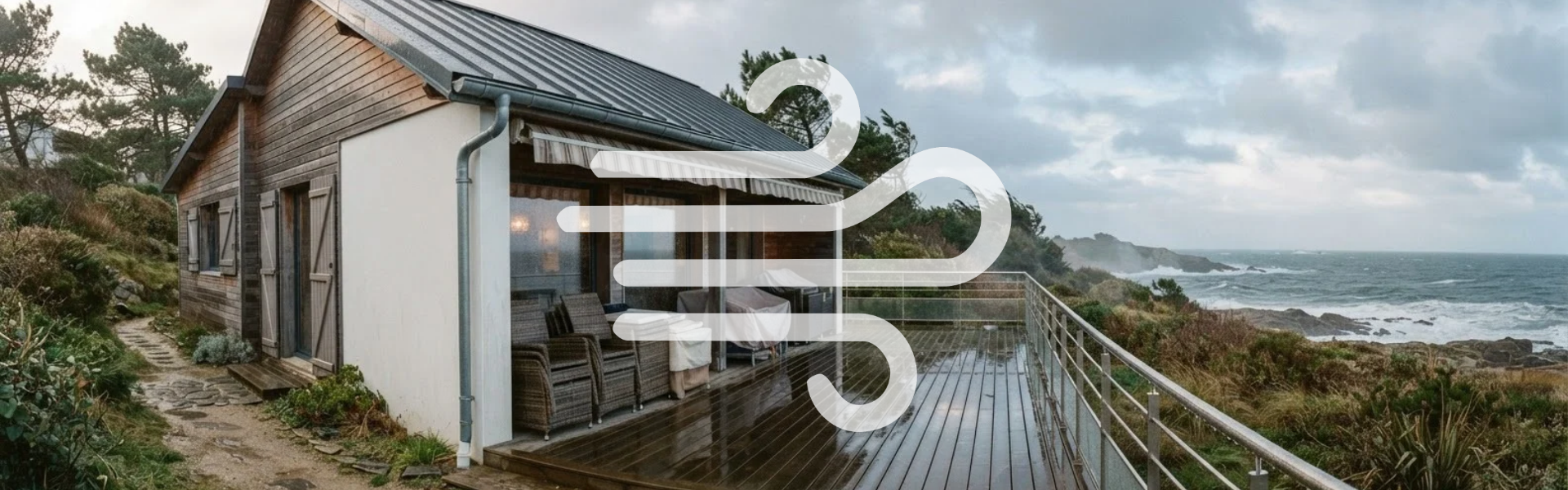
Just a few leaves in a gutter can be enough to cause significant overflow. During a 30 mm rainfall event, each square metre of roof receives 30 litres of water. For a roof covering 100 m², that represents around 3,000 litres of water that need to be drained away.
The consequences of blocked drainage depend on the type of roof. On a pitched roof, water can overflow from the gutters and run down the façade; on a flat roof or roof terrace, it may accumulate and increase the risk of water ingress. Before leaving the property unoccupied for a long period, it is therefore essential to clean gutters, downpipes, terrace drains and other outlets to ensure that water can flow away properly.
By the sea, wind and salt make maintenance even more demanding. Lightweight outdoor furniture, awnings and parasols should ideally be brought inside or securely fastened. Metal elements such as locks, railings, joinery and outdoor equipment can be rinsed with fresh water and then protected against corrosion, which is accelerated by sea spray. For the façade, a breathable water-repellent treatment can improve resistance to moisture and the effects of salty coastal air.
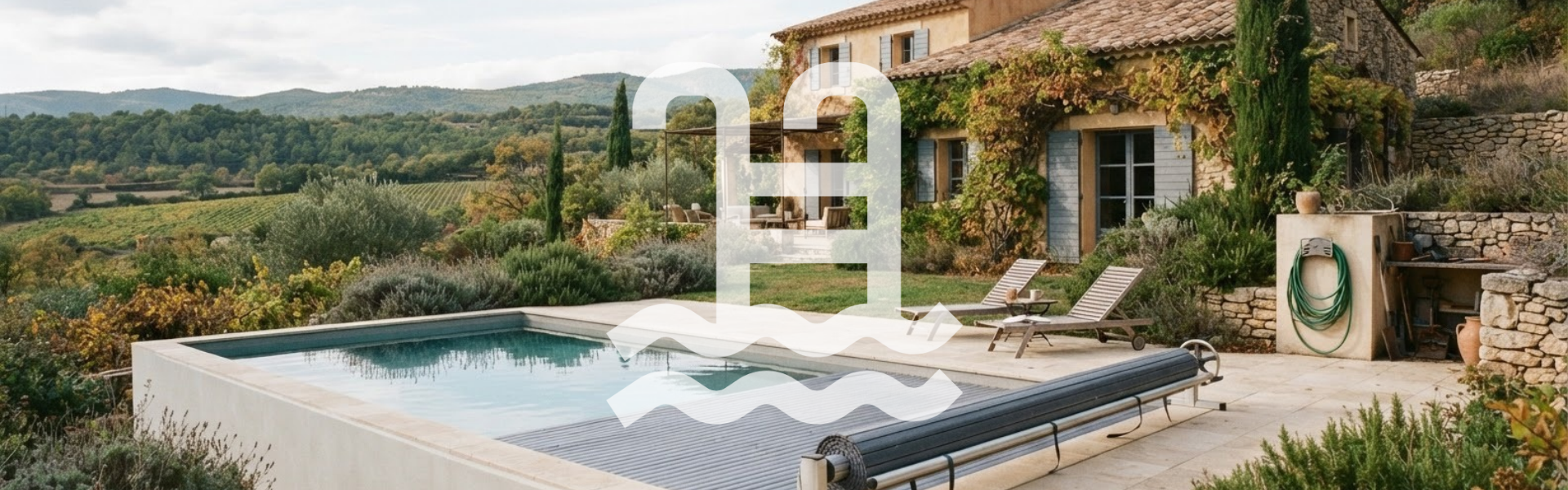
Do you own a house with a swimming pool? Before you leave, the pool also needs some attention. The French Federation of Pool and Spa Professionals recommends starting winterisation when the water temperature falls below 12°C. Above this threshold, micro-organisms remain active; wait too long and the first frosts can place equipment under considerable strain. Whether you choose active or passive winterisation will then depend on the climate and your installation.
The same principle applies to the garden: drain outdoor water supplies where there is a risk of frost, store hoses and adjust automatic irrigation systems.
Even a well-prepared second home remains an unoccupied property. An alarm system, motorised shutters or a smart thermostat can provide a first level of remote monitoring. It is therefore advisable to make sure that any equipment left running remains powered, connected and accessible through the relevant app.
Technology, however, cannot replace an on-site visit. After a storm or a period of freezing weather, ask a neighbour or a trusted person to check the general condition of the property.
Another option is to use a private concierge service or a property caretaking company. These professionals can carry out regular visits, collect post, air the property, inspect equipment and respond quickly if a problem occurs. For a second home located far from your main residence, this type of service can offer valuable peace of mind.
Not necessarily. In an area exposed to frost and when the property will be empty for a long period, shutting off the water supply and draining vulnerable installations can help reduce the risk of damage. The right choice, however, depends on the climate, the heating system and the property’s configuration.
Before leaving, check essential equipment, secure outdoor areas and, where possible, arrange for someone to visit the property from time to time. A concierge service, neighbour or trusted person can also step in if a problem occurs.
In colder regions, frost-protection mode can help protect both the property and its pipework. However, there is no universal setting: insulation, the heating system and the local climate should all guide your decision.
The right time depends largely on the location. In temperate or cold regions, checks should be carried out before the first frosts and periods of heavy rain. In exposed coastal areas, it is best to prepare ahead of the storm and high-wind season. In tropical regions, preparation is more likely to take place before the rainy or cyclone season. The objective remains the same: adapt the property to the climatic risks it may face while it is unoccupied.
Looking for a second home by the sea? Browse the map of properties for sale on Mer et Demeures.
You may also be interested in these articles:
Buying a house with a swimming pool: what you need to know before investing
How to keep your home cool during hot weather
Selling your home in autumn: is it the right time?