Second home: how to prepare your property for winter?
How should you prepare your holiday home for winter? Frost, humidity, heating, roofing and ...


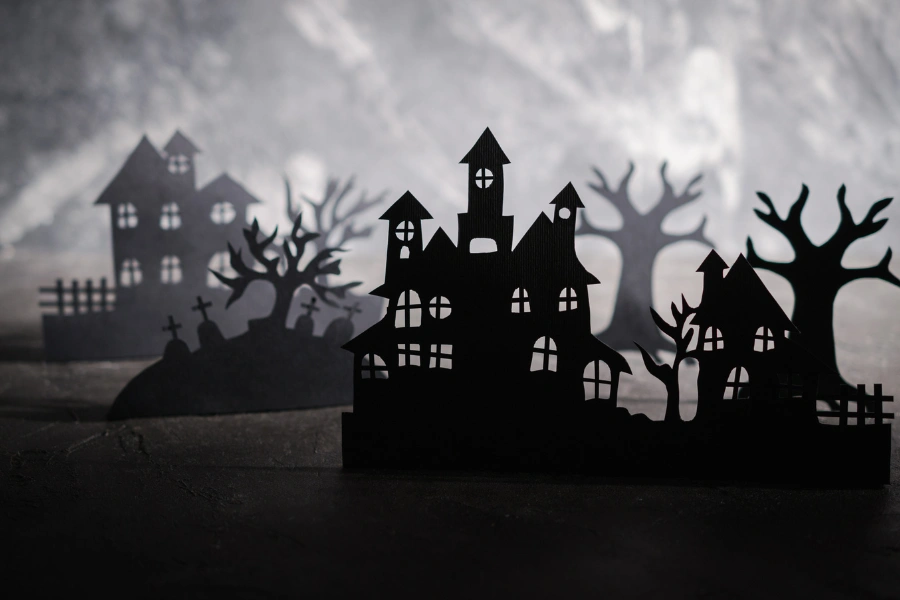
Real estate often combines heritage, architecture, and stories. But when a property is linked to a particular past — or even to unexplained phenomena — it enters another dimension.
Buying a so-called “haunted” house: a concept that is both intriguing and unusual. Beyond curiosity, these properties raise practical questions: can reputation lead to a price drop? Can the property still be freely used (residence, events, tourism)? What are the risks and opportunities?
Discover in this article how to spot such properties, whether they can be good deals, and where to find homes with a “supernatural” history.
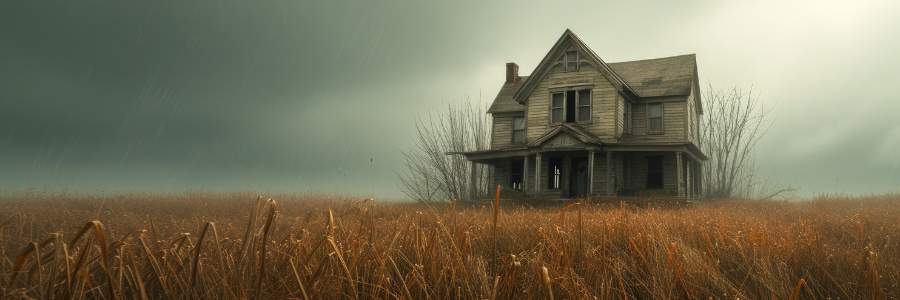
Buying a haunted house? The idea may sound far-fetched, but these homes steeped in mysterious stories truly exist. Often located in old country estates, manor houses, or 19th-century townhouses, they attract a clientele combining heritage enthusiasts, thrill seekers, and investors looking for a discount.
According to several real estate agents, a “haunted” property can sell for up to 20% less than a similar one. The difference has less to do with paranormal activity than with resale difficulties and the reputation that sticks to the place. Sometimes, the discount even affects neighboring properties (which are not haunted themselves).
Some of these houses have become famous: the Amityville house in New York, Borley Rectory in England, or the Château de Brissac in France, where people swear they have seen the “Green Lady.” These locations, now icons of strange tourism, attract both the curious and investors who capitalize on their notoriety through event rentals or mystical tourism.
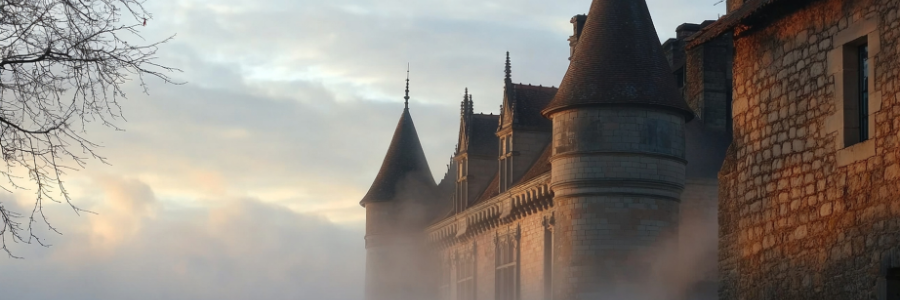
Some properties recently put up for sale intrigue as much for their charm as for their reputation.
Such is the case of the Burrilville farmhouse in Rhode Island, USA. Known as The Conjuring House, it will be auctioned off on October 31, 2025, for Halloween. Still in the U.S., the Lumber Baron Inn in Denver, a Victorian mansion turned “haunted” bed & breakfast, is on the market for $3.2 million.
In Ireland, Loftus Hall, considered the country’s most haunted house, was listed for around €4 million in April 2025. In Scotland, Carbisdale Castle, said to be haunted by the ghost Betty, was relisted for £5 million after restoration in March 2025. Further south in Spain, Cortijo Jurado in Málaga — nicknamed Casa Encantada — is looking for a buyer for around €1.4 million.
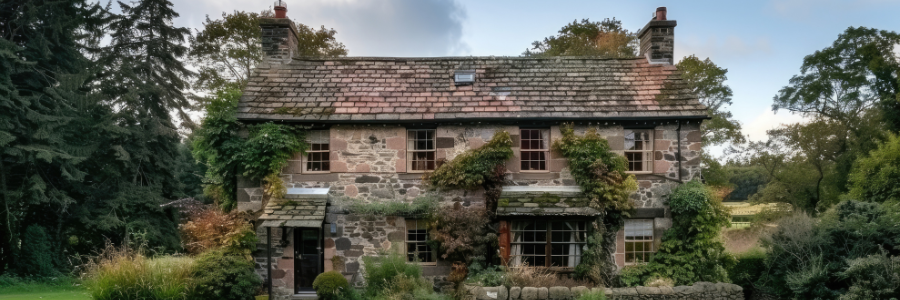
There are no official regulations defining what a haunted house is. However, sellers are sometimes required to disclose a “particular history,” especially in cases of tragic death or events likely to influence a buyer’s decision. Some listings discreetly mention an “unusual history” or a “unique atmosphere.” Other agents prefer to remain silent, considering the property’s story part of local folklore.
For the more sensitive, a few clues may raise eyebrows: rooms left unoccupied despite their appeal, strange noises, unusual temperature changes, or simply a past filled with family drama. These signs often have a rational explanation — poor insulation, faulty pipes, or pure suggestion.
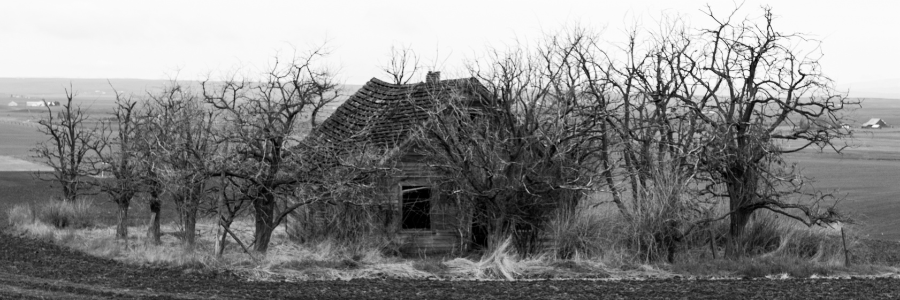
It all depends on one’s perspective. Some buyers see touristic potential, especially in regions with strong visitor appeal such as Normandy, Tuscany, or New England, where haunted castles and manors are popular attractions. Others take advantage of lower prices to acquire large properties they could not otherwise afford.
But investing in a property with a dark reputation requires realism: reselling may take time, and insurance companies can be hesitant when faced with unexplained damages.
From a legal standpoint, a so-called “haunted” house remains an ordinary property: nothing prevents you from living there, renting it out, or turning it into a tourist attraction. “Haunting” has no legal value and does not restrict the property’s use — except if it is a listed building or subject to heritage protection.
However, transforming an old residence into a guesthouse, event venue, or tourist site requires compliance with administrative regulations (safety, permits, taxation). In practice, many owners choose to embrace the legend to turn it into an economic asset, while others prefer discretion to avoid excessive curiosity.
For thrill-seekers or creative investors, it is an original — and sometimes profitable — opportunity to combine heritage, legend, and character real estate.
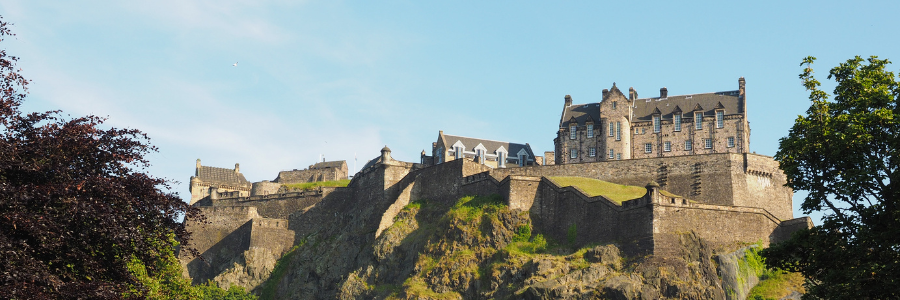
Some properties have become true legends, blending heritage, mystery, and folklore. Here is a tour of the most famous houses where the past never seems to leave.
Between curiosity, heritage, and legend, haunted houses continue to fascinate the real estate market. Whether they frighten or attract, they remind us that a home is not just a material asset — it’s also a story, sometimes more alive than we imagine.
And for those who prefer homes inhabited only by sunshine and calm, discover on Mer et Demeures a selection of villas, character homes, and charming properties for sale all over the world.
You might also like:
Renovating a coastal property: the smart way to buy a home in France for Less
Buying an affordable property to renovate in Spain
Buying a house for €1 in Italy: how does it work?