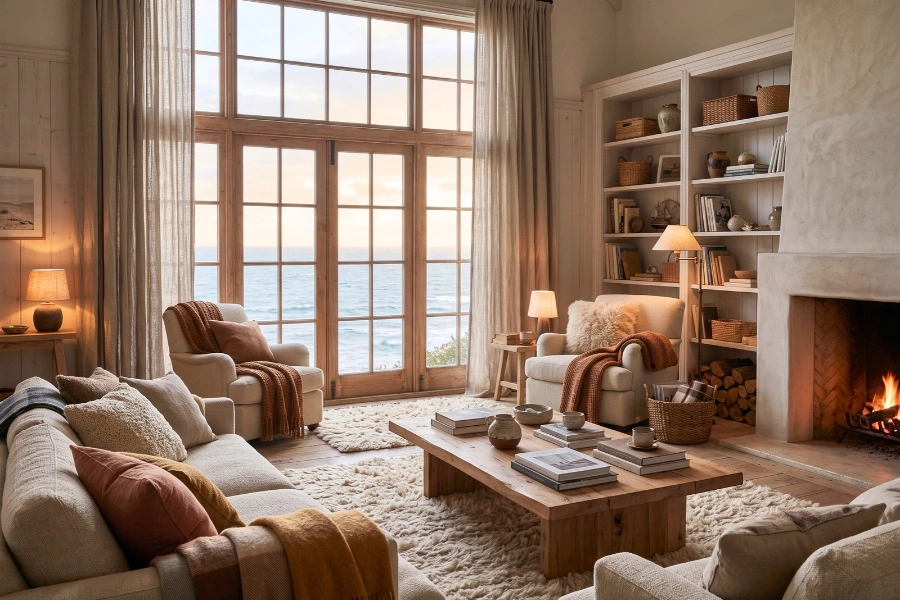
Coastal decor: 6 ideas to make your home cosy for autumn
Colours, textiles, lighting and natural materials: discover six ways to update your coastal ...


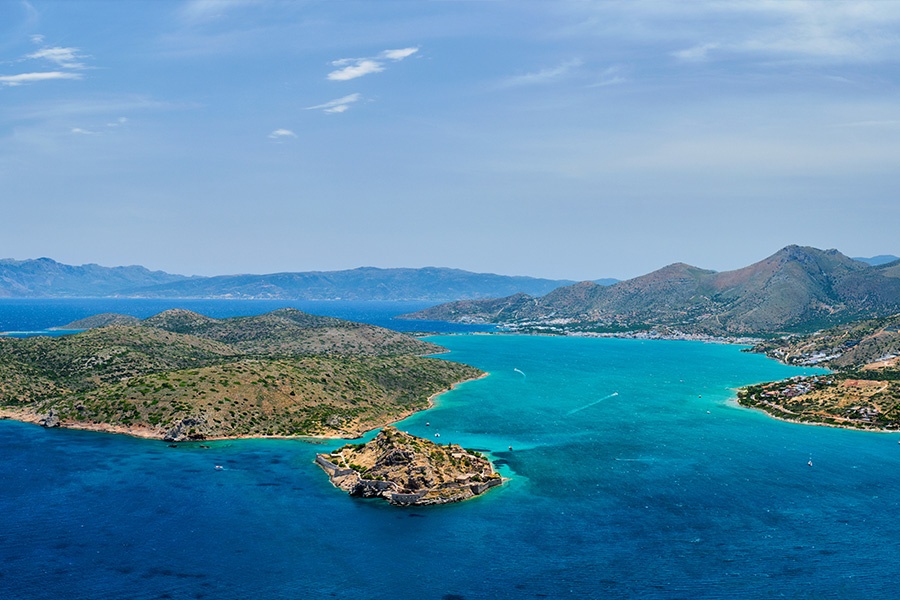
Land of myths, sun, and contrasts, Crete is much more than a simple Greek island. Cradle of the first great European civilization, it is today a popular holiday destination, combining paradise beaches, spectacular nature, and historical heritage.
Whether you come to relax in a seaside villa with a pool, hike in the mountains, or explore ancient ruins, Crete offers a thousand ways to marvel.
1.Crete, an island with many faces
2.The most beautiful natural sites in Crete
3.Cretan historical heritage
4.Living Crete like a local
5.When to visit Crete and how to get there
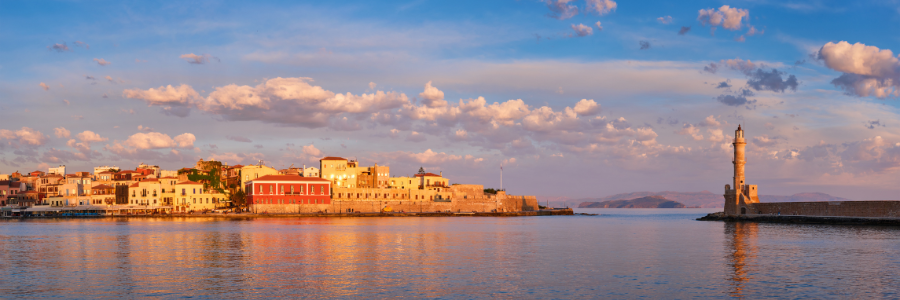
Stretching over more than 250 km from east to west, Crete is a mosaic of landscapes and atmospheres. In the west, Chania reveals its Venetian port and refined atmosphere. In the center, Rethymno mixes Ottoman architecture and family-friendly beaches. Heraklion, dynamic and modern, houses museums and ancient remains. Finally, to the east, Lassithi unveils a wilder, more secret, and preserved Crete.
The island is bordered by crystal-clear beaches, crossed by steep mountain ranges, and dotted with perched villages where time seems to stand still. Whether you're traveling as a couple or family, on a budget or in luxury, Crete is an ideal destination for every traveler.
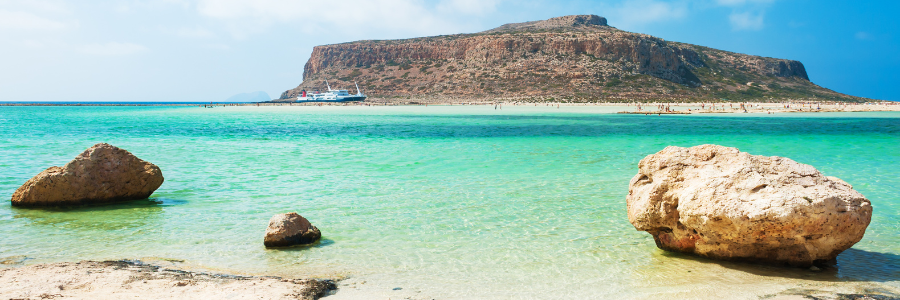
A true paradise for nature lovers, Crete has preserved vast natural spaces. It is home to over 2,000 plant species and rare animals such as the Kri-Kri goat and the loggerhead turtle. To discover them, explore the island’s wild side: its mountains, gorges, and beaches.
Highlights include:
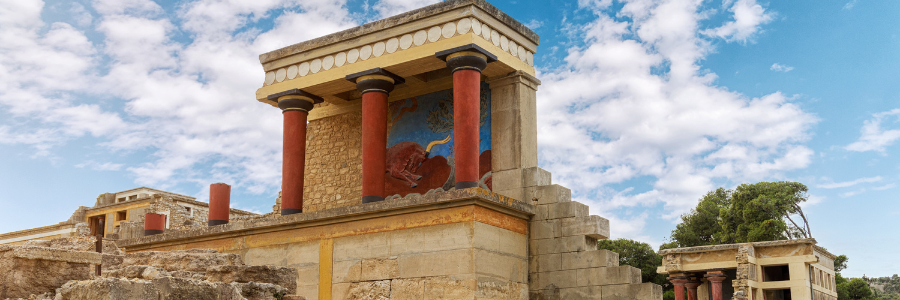
Visiting Crete means diving into a rich past. Inhabited since the Neolithic, the island was the cradle of the Minoan civilization, one of Europe’s oldest.
Must-see sites include:
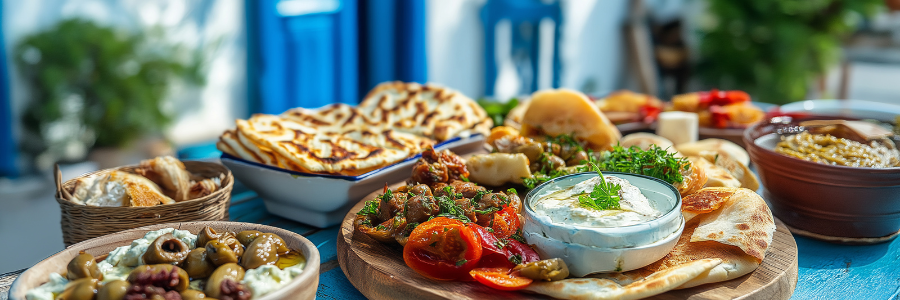
A trip to Crete is also about immersing yourself in Greek culture through simple and authentic experiences:
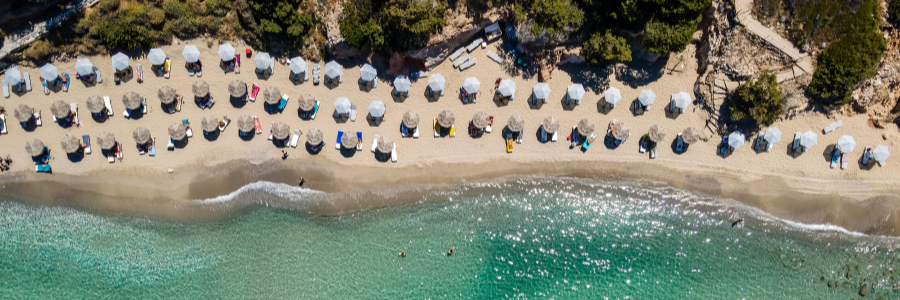
Crete is best visited from April to October, with mild spring temperatures and a hot but breezy summer. Spring and autumn are perfect for hiking without the crowds, with temperatures between 15–25°C. For peaceful beach days, Indian summer (September) is ideal: the sea remains around 25–26°C.
The island has two international airports (Heraklion and Chania) with direct flights from many European cities. Renting a car is highly recommended to explore freely, especially off the beaten path.
Crete has that rare ability to enchant at first sight and leave a lasting impression. Whether it’s your first time or a return visit, it always offers a unique experience of nature, culture, and hospitality.
And what if this holiday in Crete was just the beginning of a greater journey in Greece?
Discover a selection of vacation rentals in Greece:
You may also be interested in these articles:
Top 10 destinations for unforgettable holidays in Greece
Continental Greece, a legendary country with spectacular nature
Buying in Crete: why the Greek island attracts foreign investors ?